in unit 1, I explored many topics, methods and media. I intentionally tried to learn a new skill with each brief, and the nature of the initial briefs led me to choosing varied topics.
the Venn diagram exercise provided to us in the brief was particularly helpful for me to spot points of similarity.
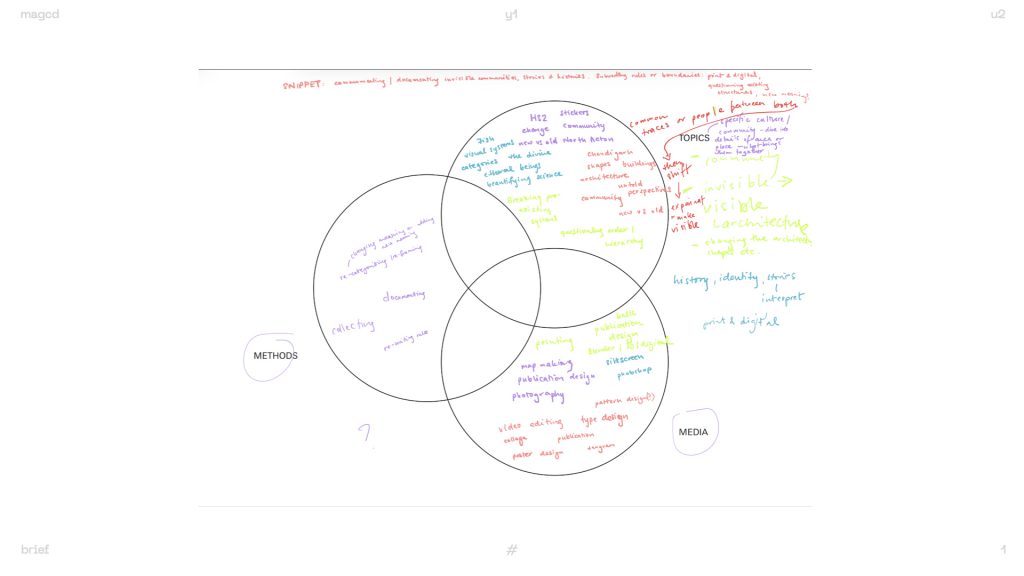
this was the point of focus established from analysing my unit 1 projects.
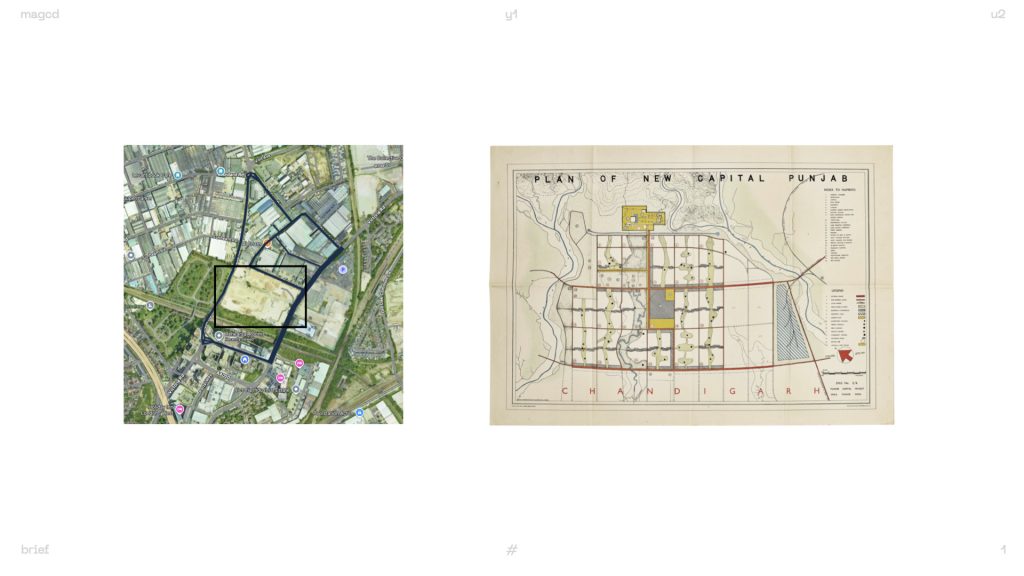
I noticed that there was an overlap between my methods of translating and investigating briefs: both explored places I identify with (North Acton and Chandigarh), and explore the communities within them.
thus, the starting point for my iterations was to explore what’s common between them – me. more specifically, my own relationship with these spaces.
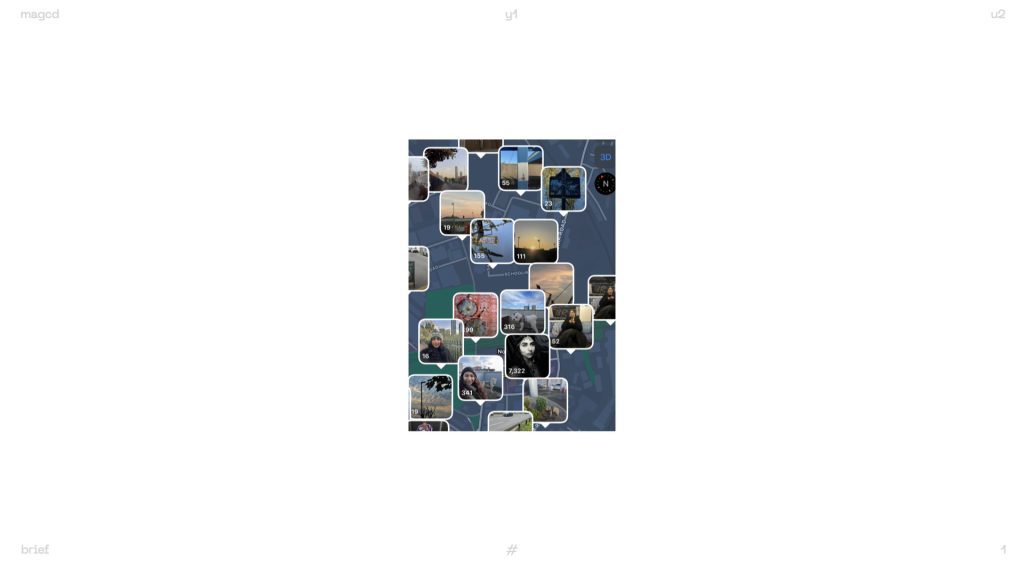
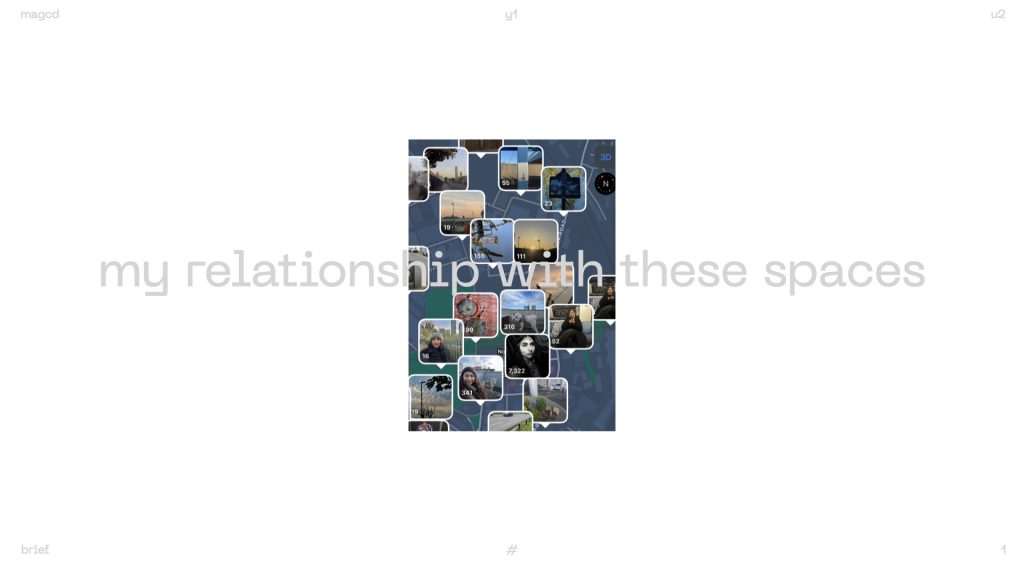
I initially looked at my camera roll to point out physical marks of my presence in those areas. I noticed there were a lot more pictures in North Acton vs Chandigarh.
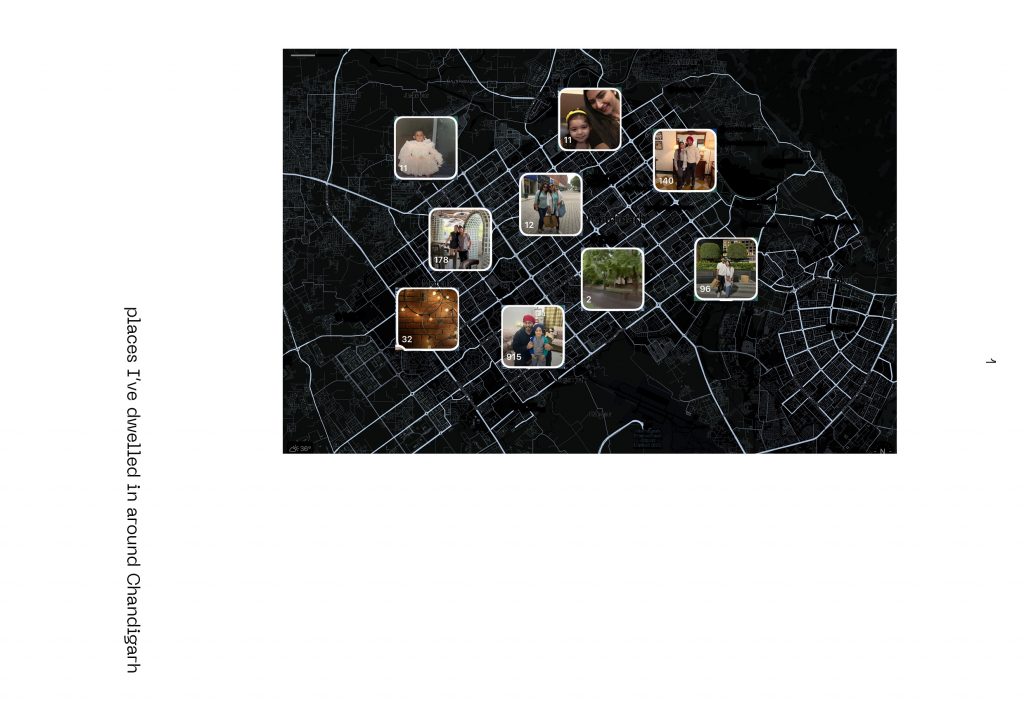
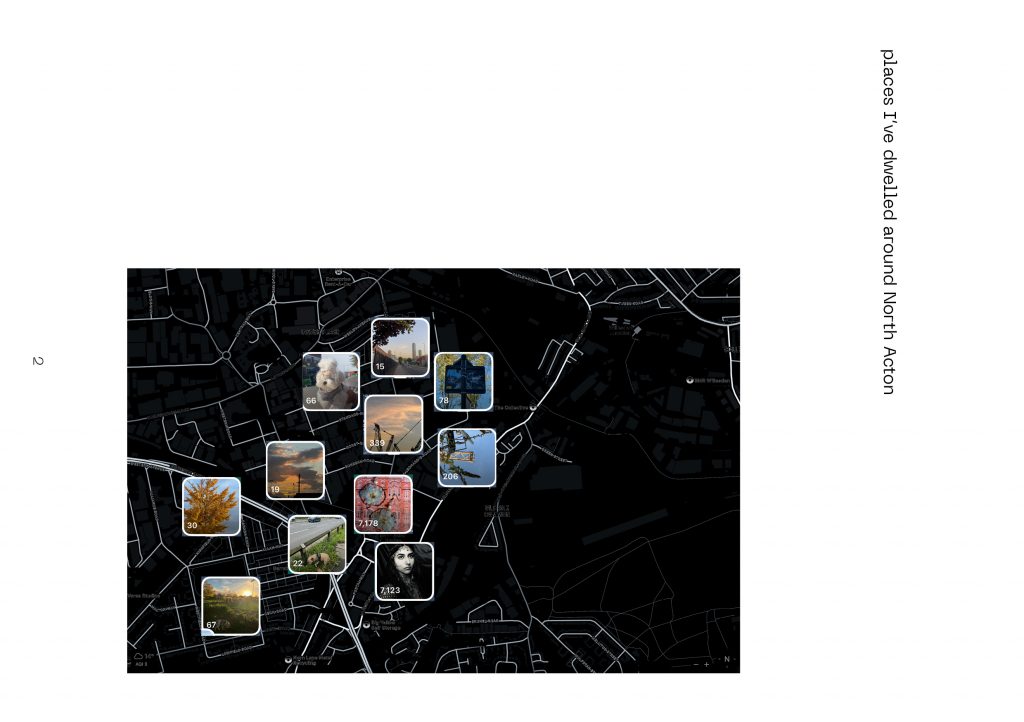
I also considered the concept of existing in a place, dwelling there, and I wanted to visually represent other ways of existing in those two places. as running is a hobby I took up a couple of years ago, and since then my perception of the North Acton area has changed drastically. it feels smaller, and places I once used to deem far seem accessible. thus, i started with strava maps, and mapped running routes around the North Acton vs Chandigarh area.
this expanded to the idea of movement and existing in a place in general.
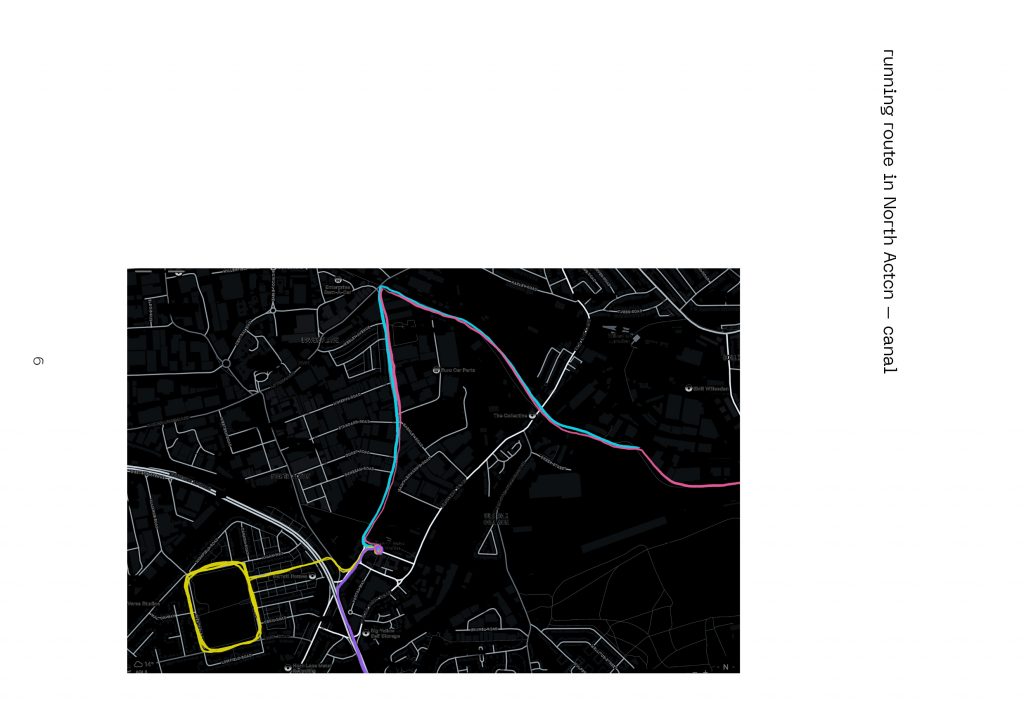
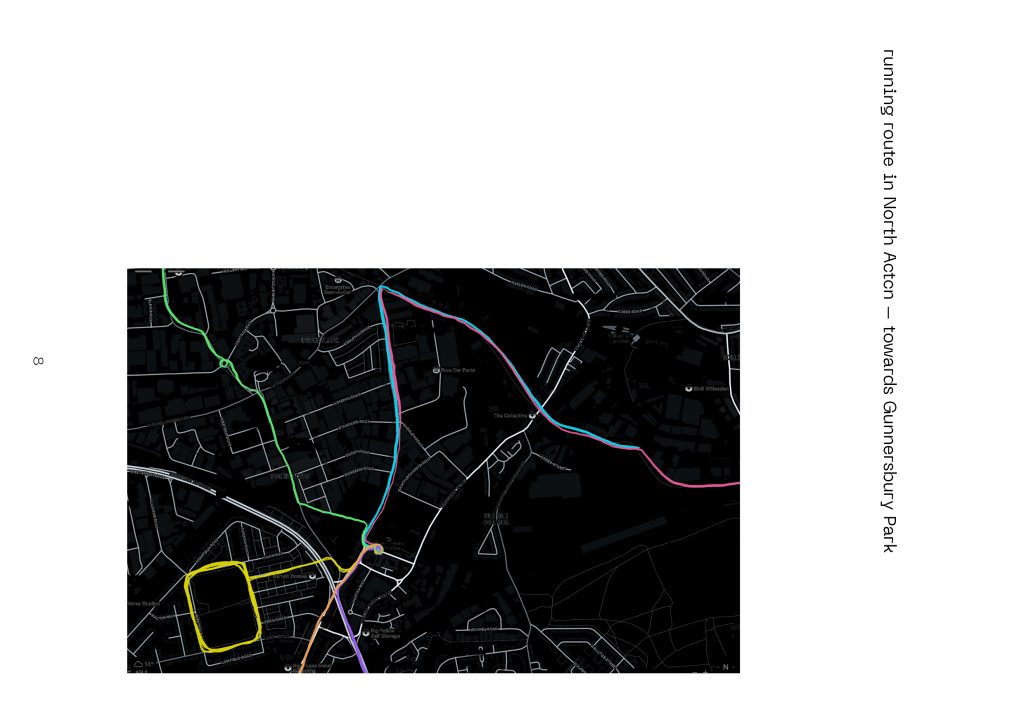
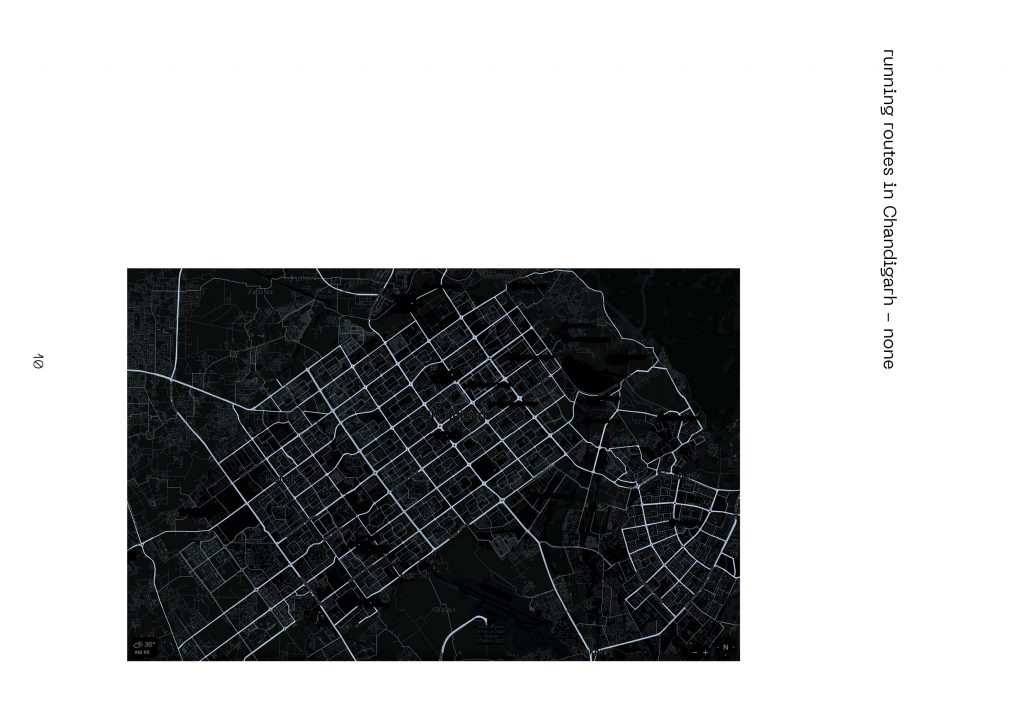
shifting from running to moving around the area in general:
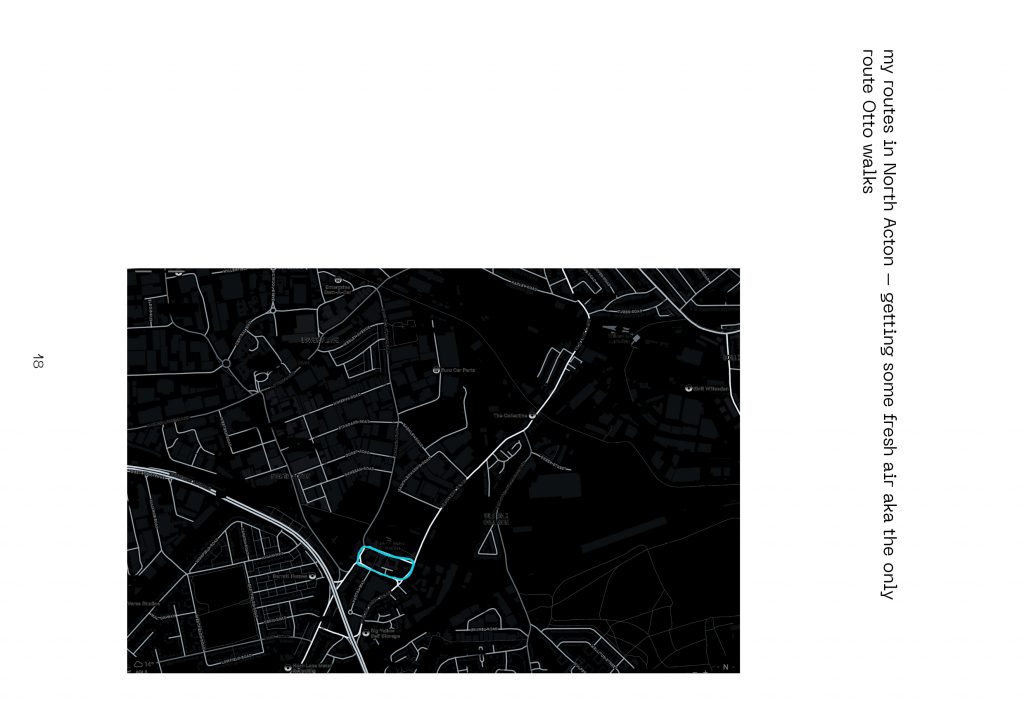
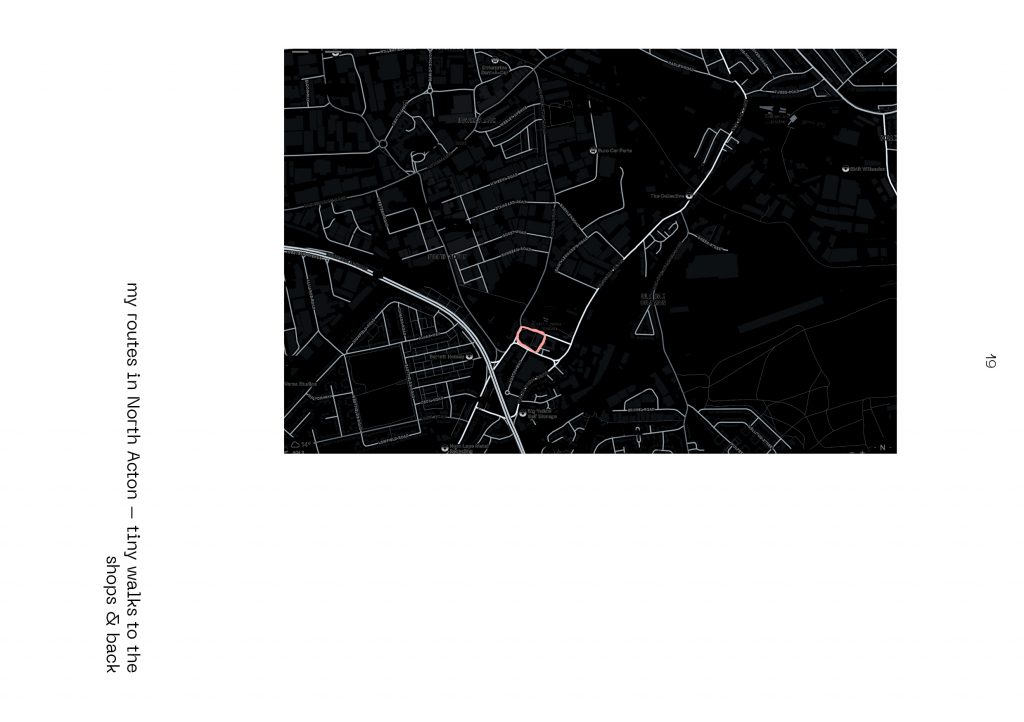
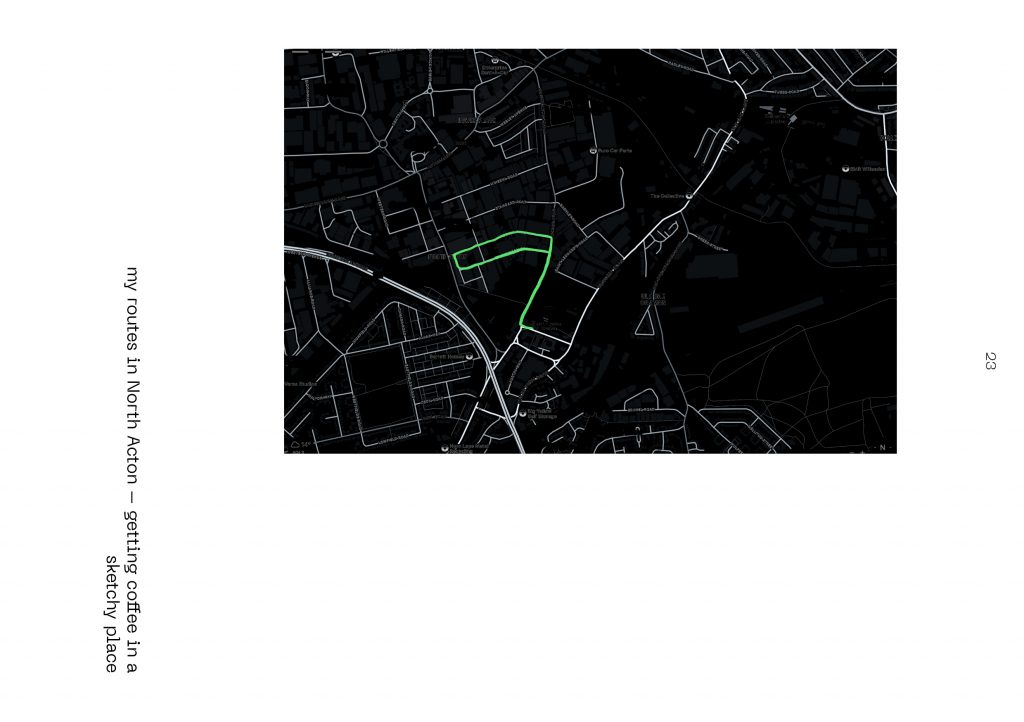
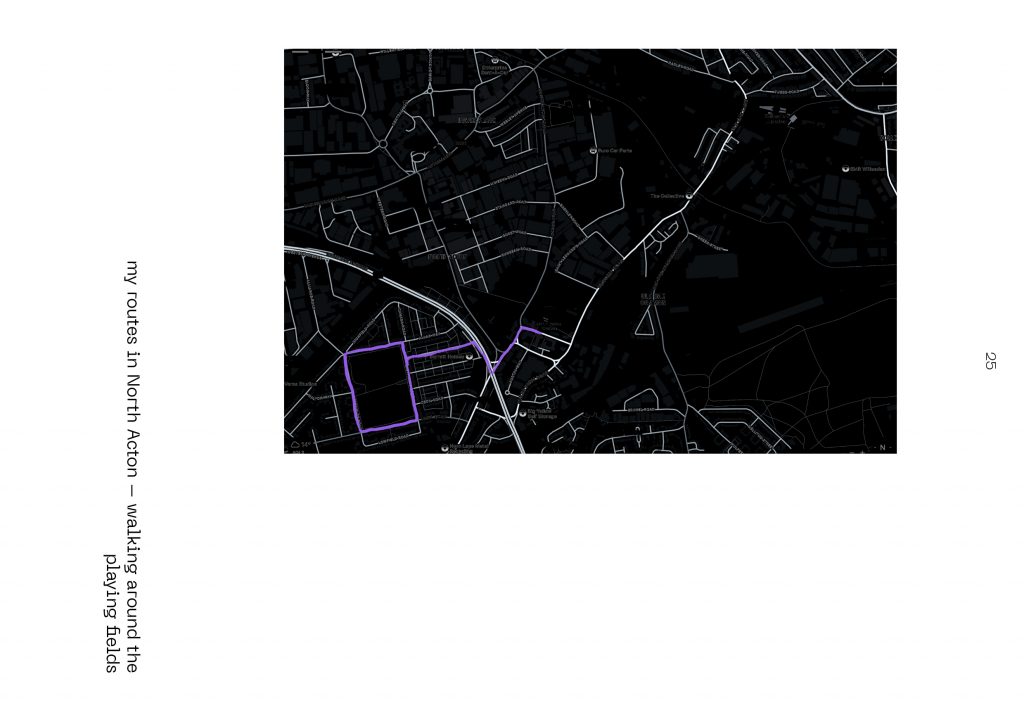
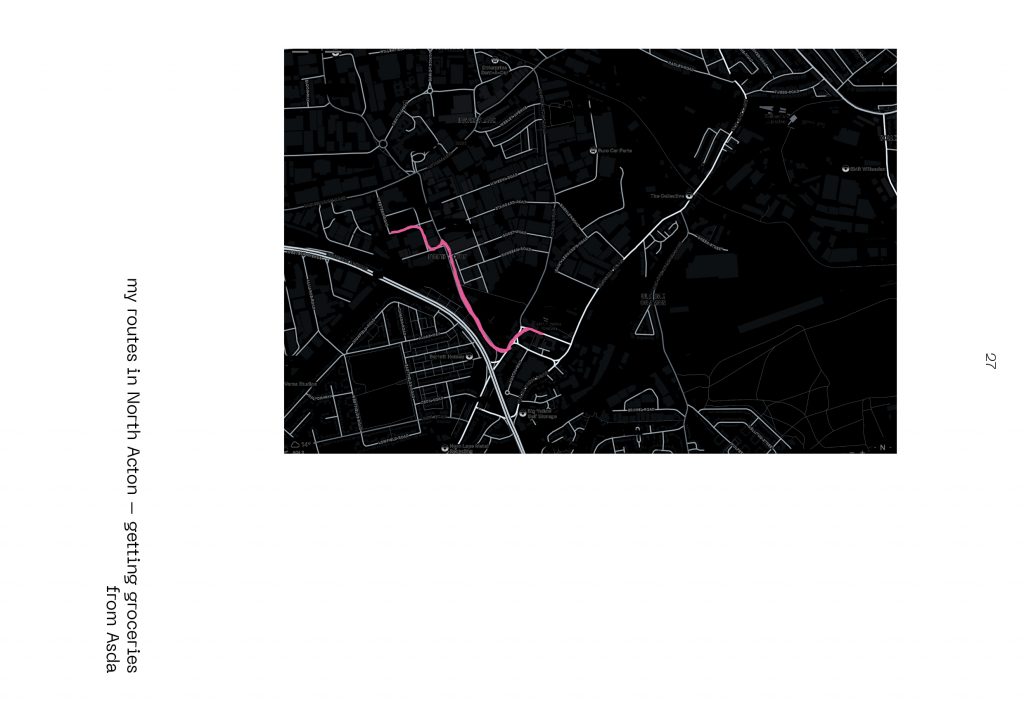
as I am a visual thinker, I became interested in the shapes and lines that these routes were forming, and I wanted to see what narratives extrapolating those visuals would create.
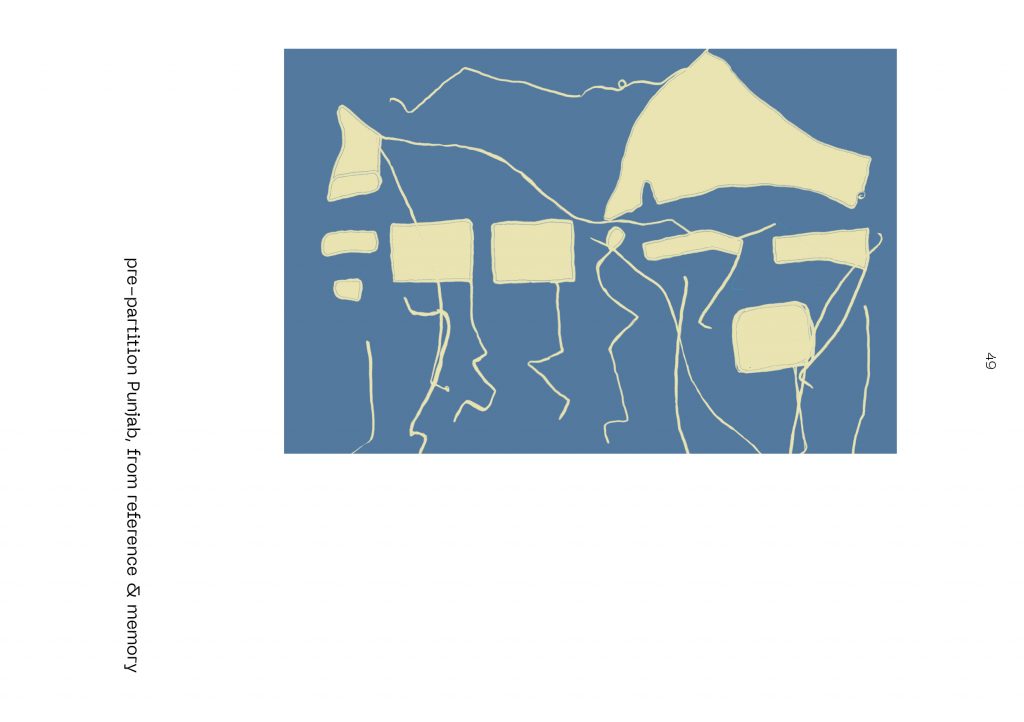
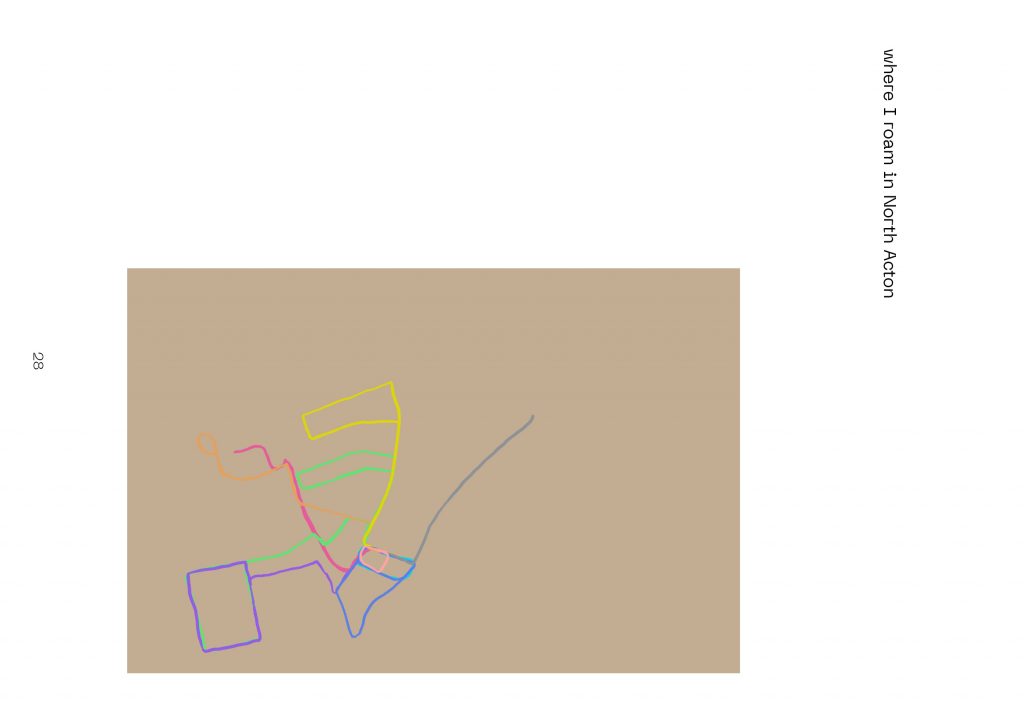
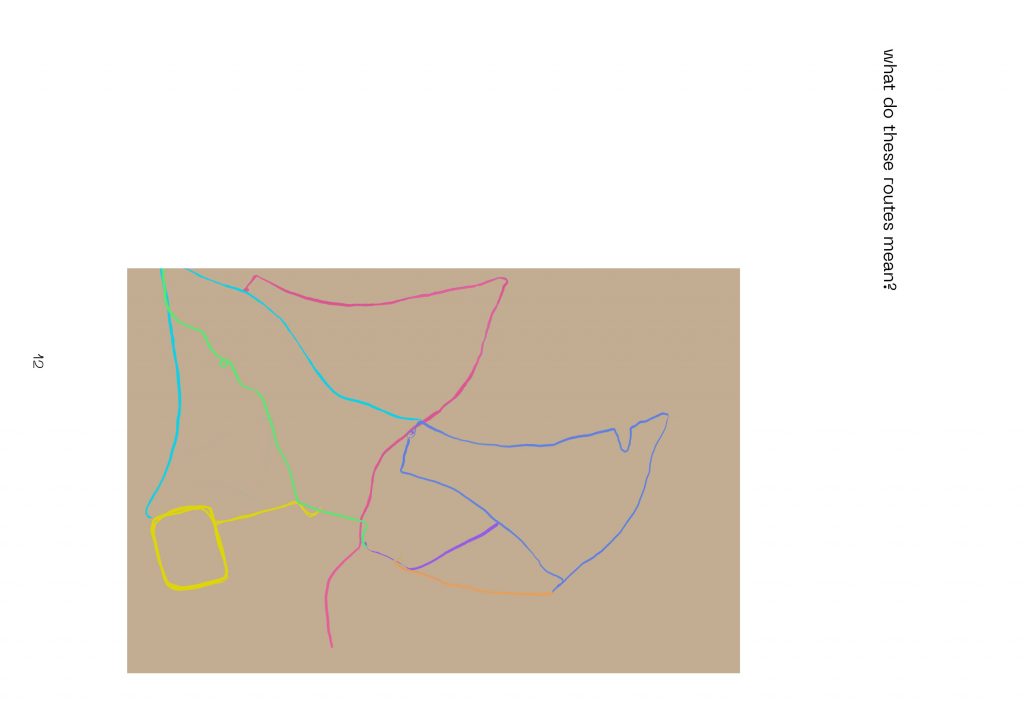
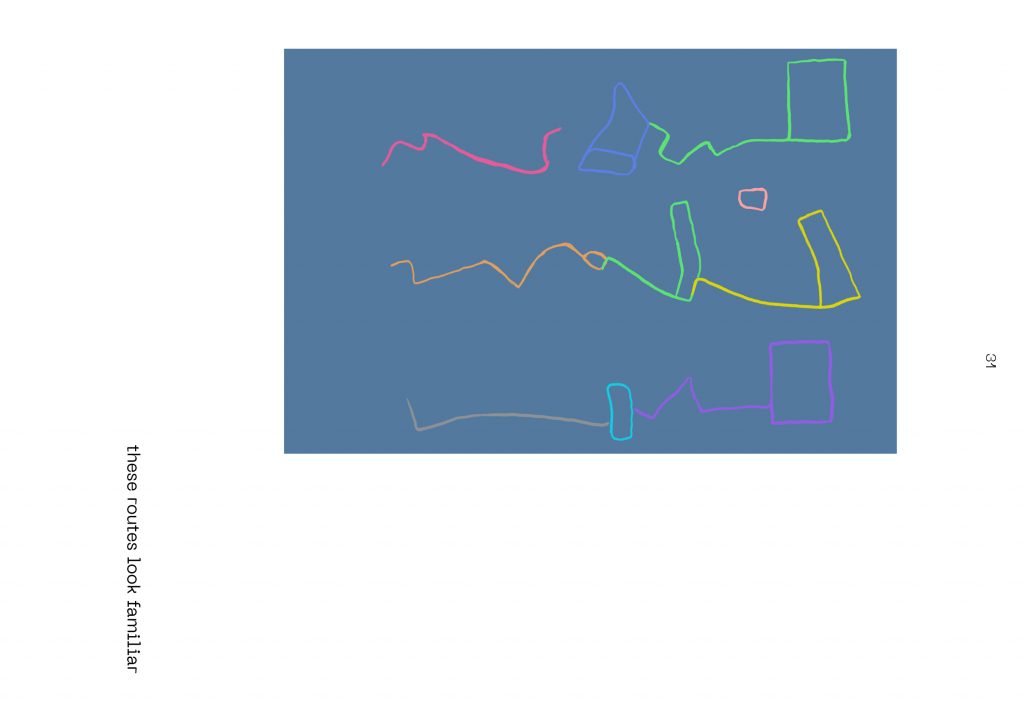
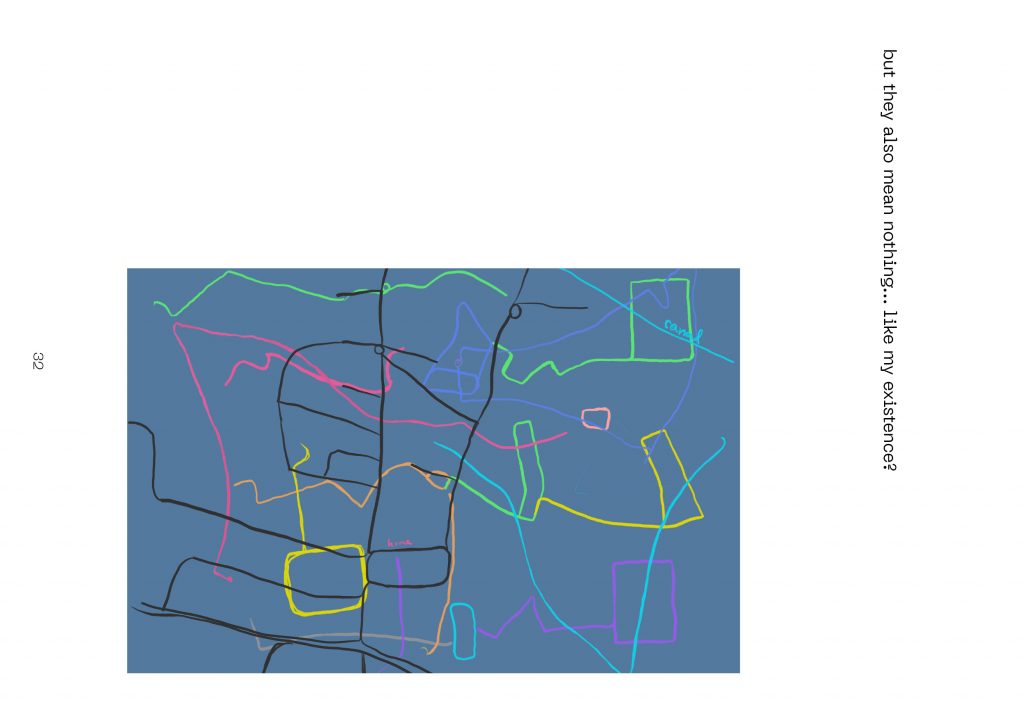
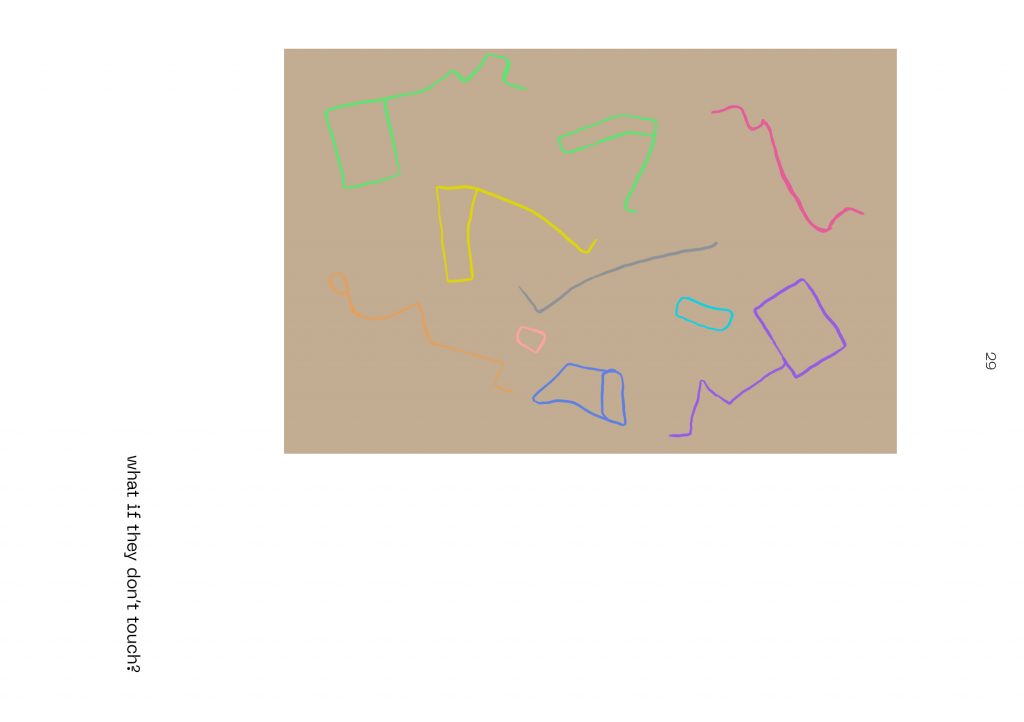
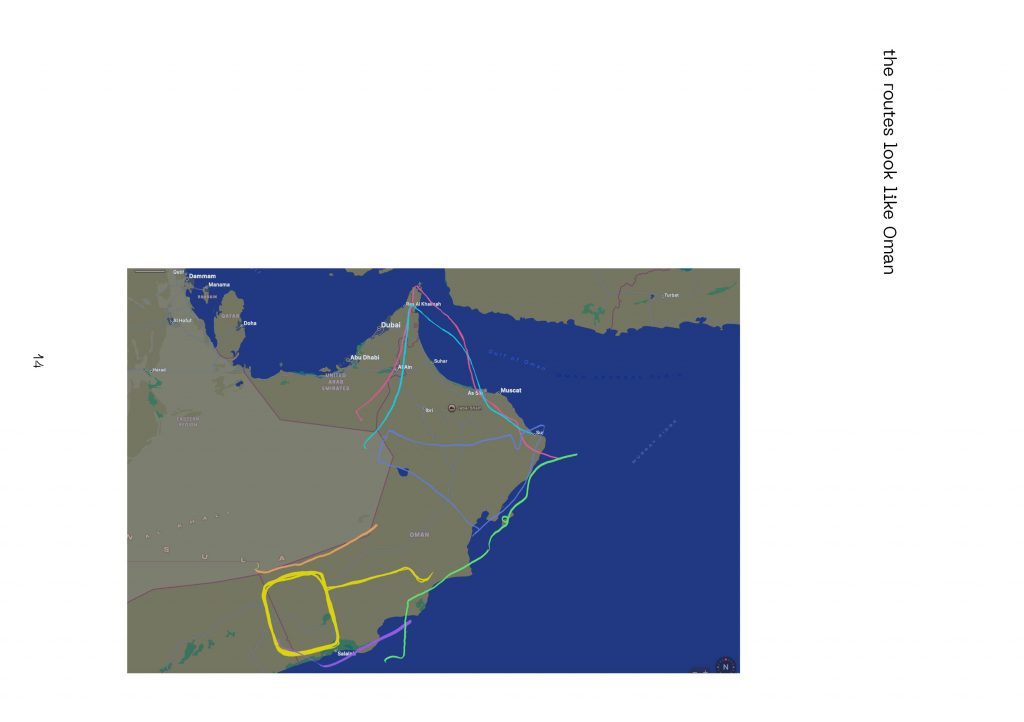
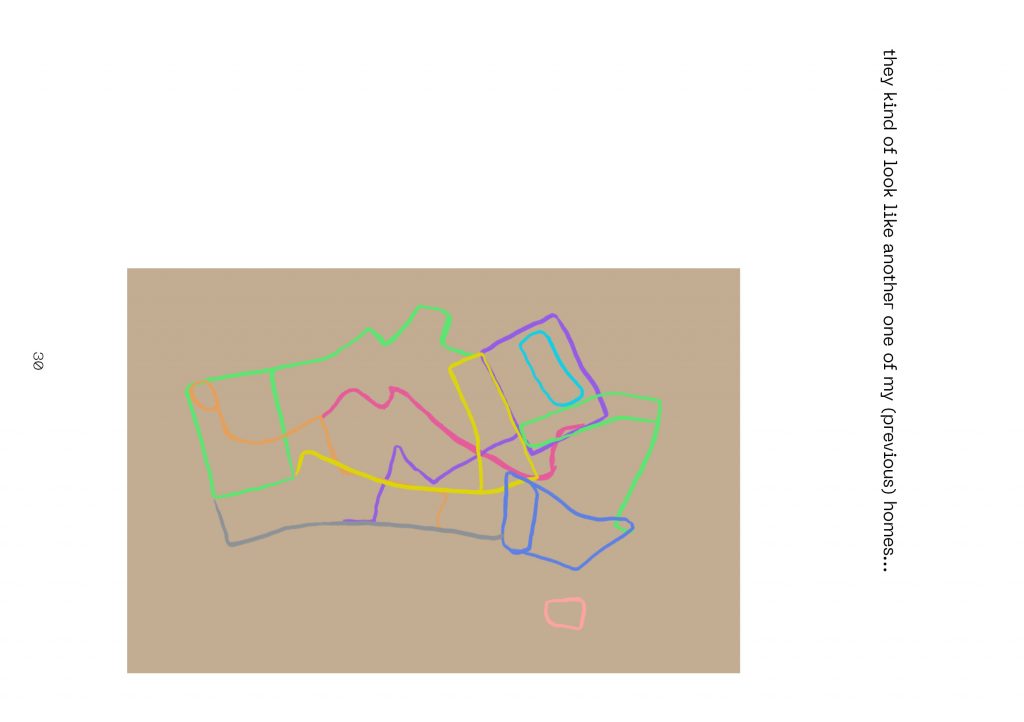
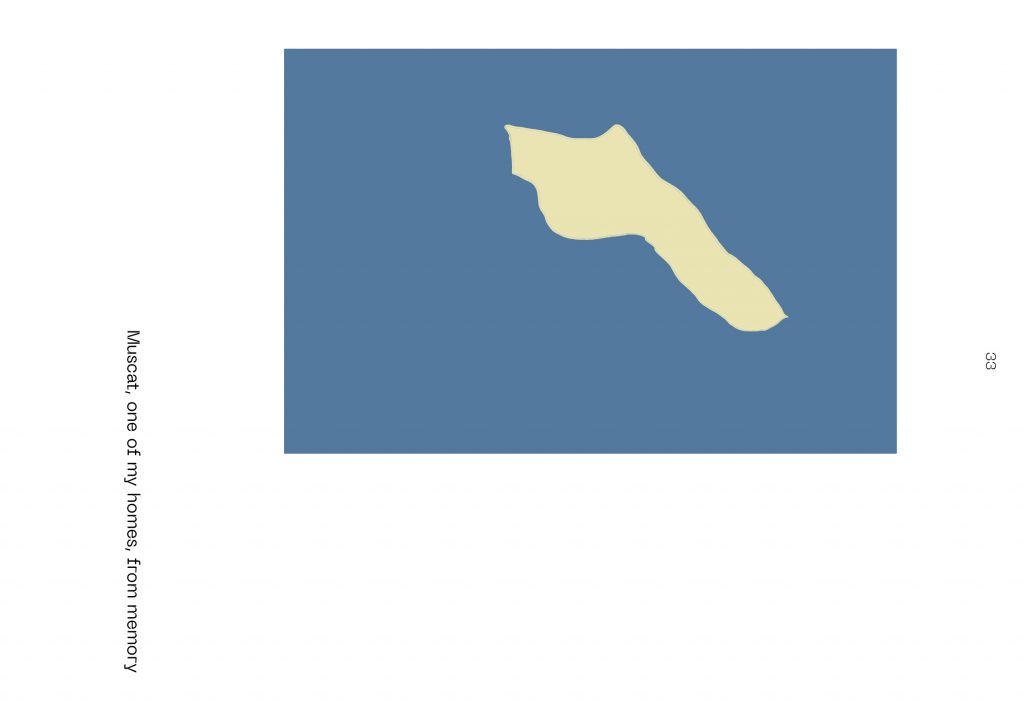
when joined together, these routes unintentionally formed the shape of Oman and Australia, two of my other homes. this is because I have a strong visual recollection of what both places looks like, perhaps because of my personal attachment to both.
to what level of accuracy could I draw my other homes from memory?
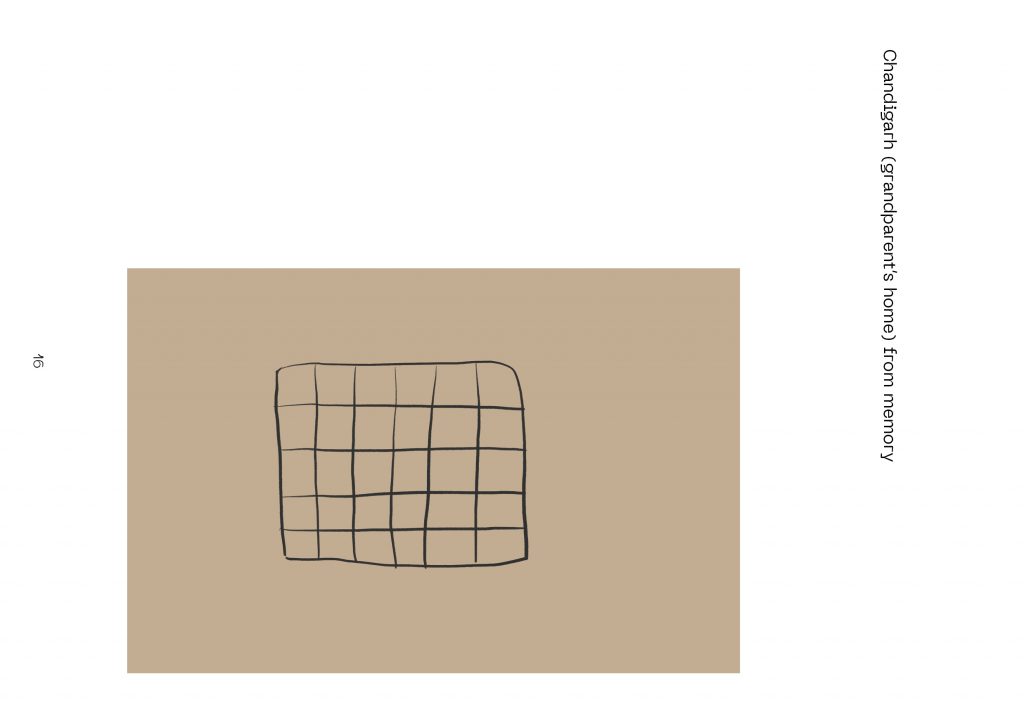
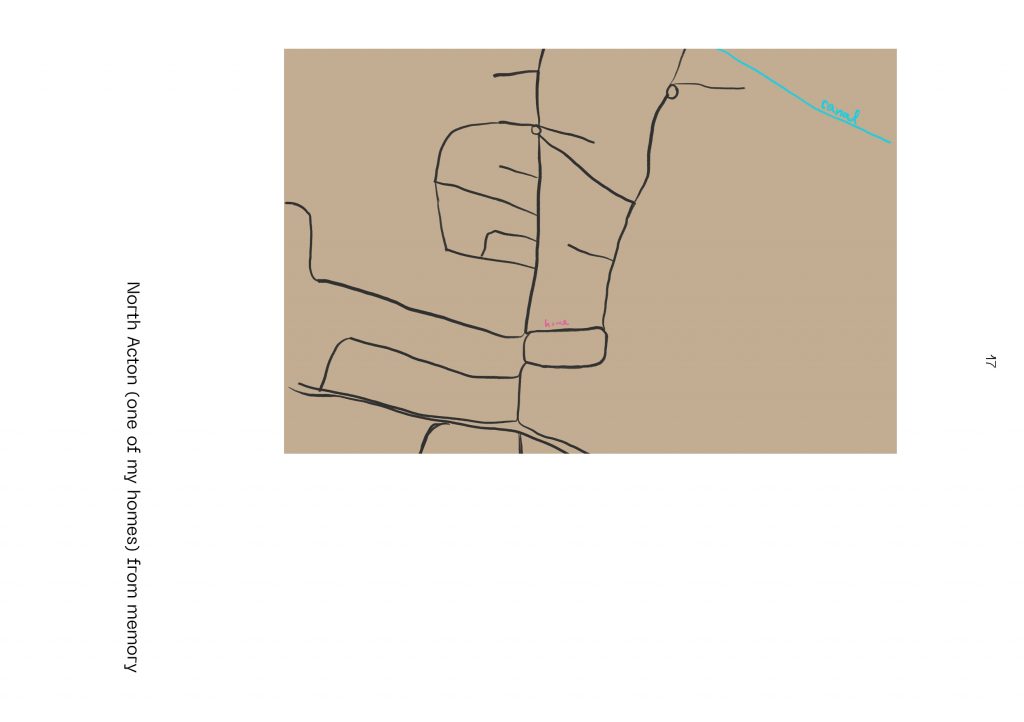
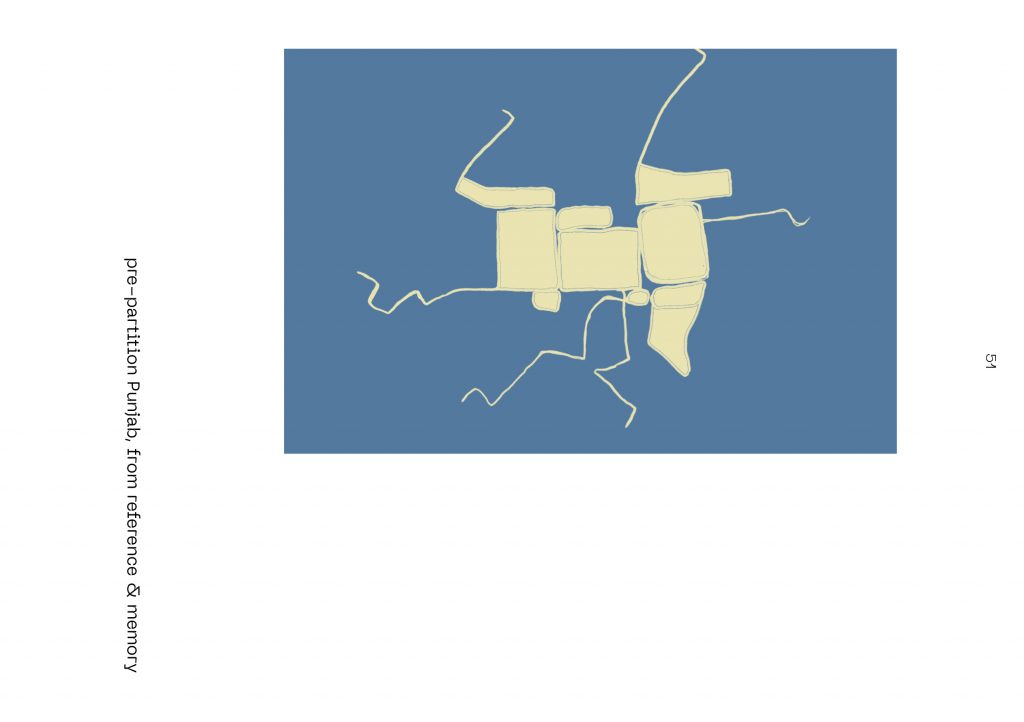
that led me to consider my own varied definitions of home. I drew some of my current and past homes from memory to see which places I could recreate accurately in my mind.
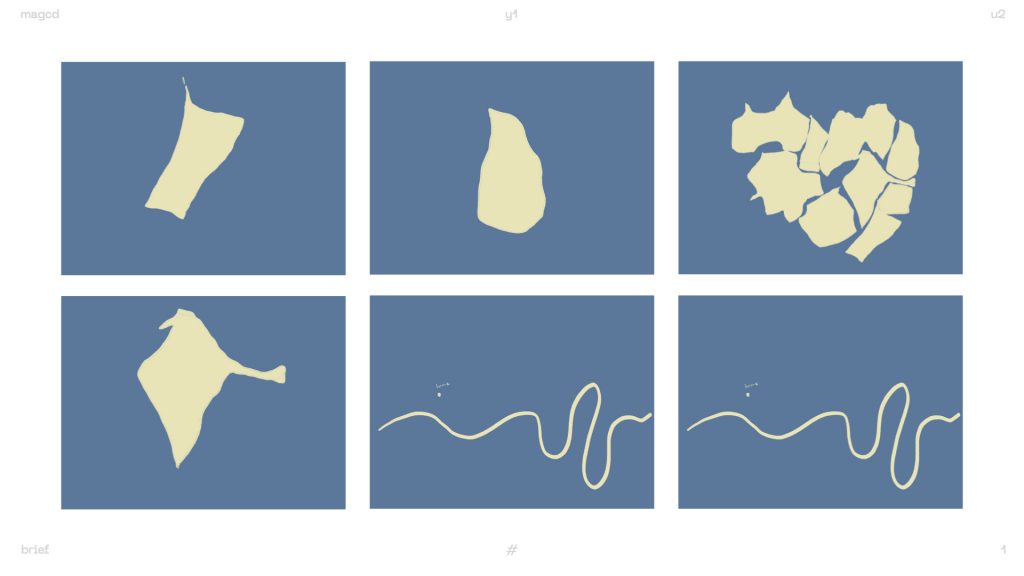
I looked at isolating the maps of countries/cities and turning them into objects. yet, I also wanted to look at movement again, of my own time in those places, my parents, etc. before I moved on.
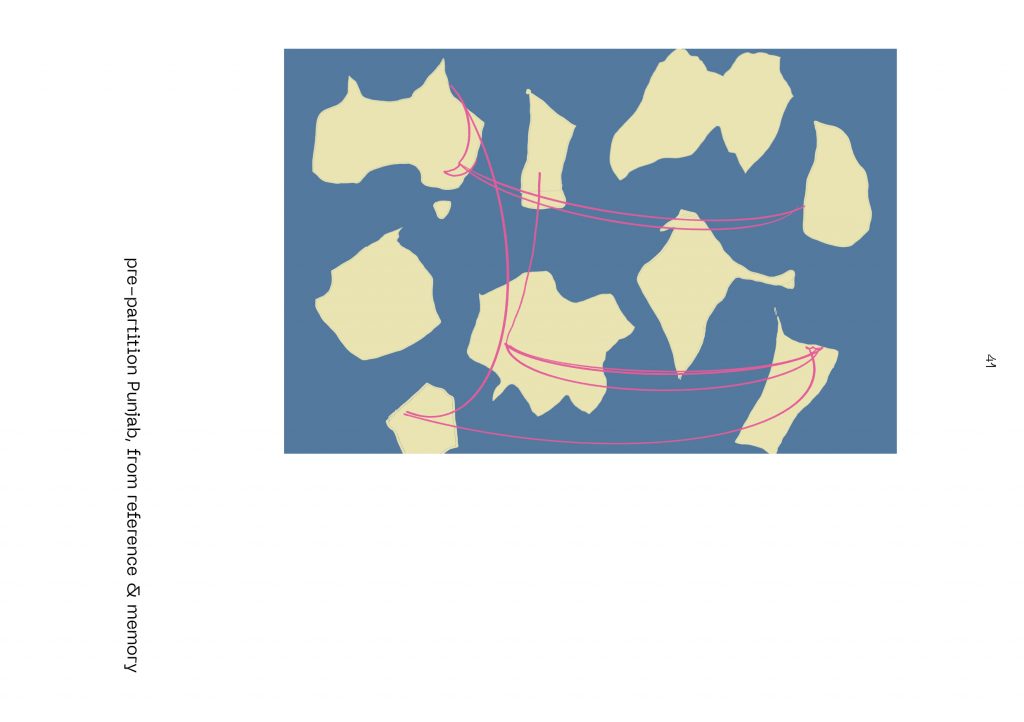
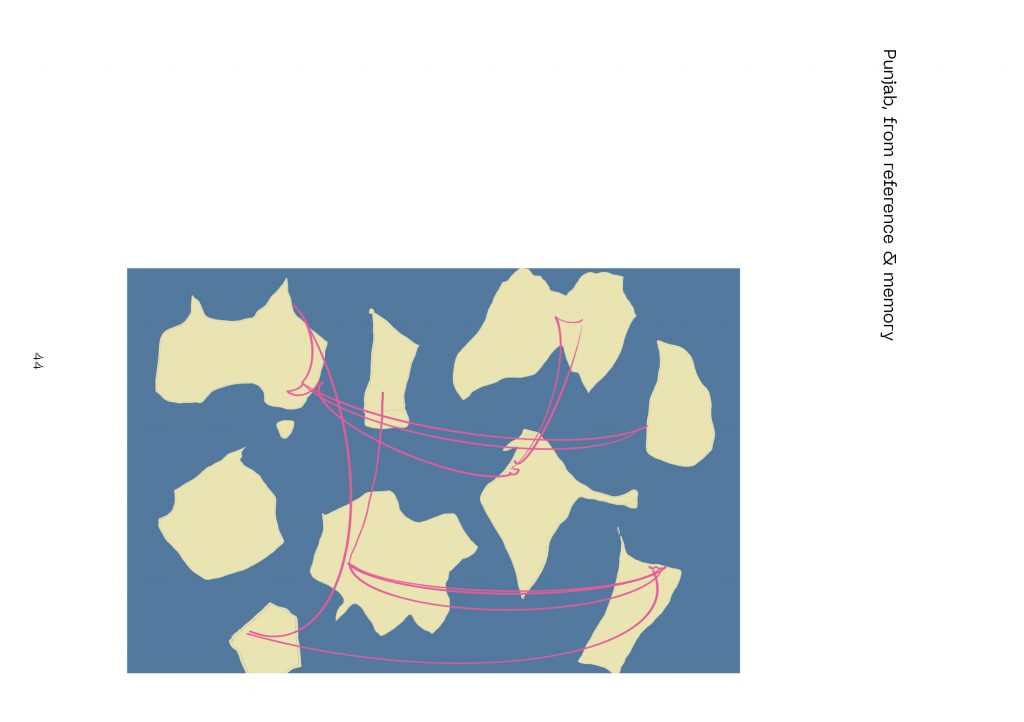
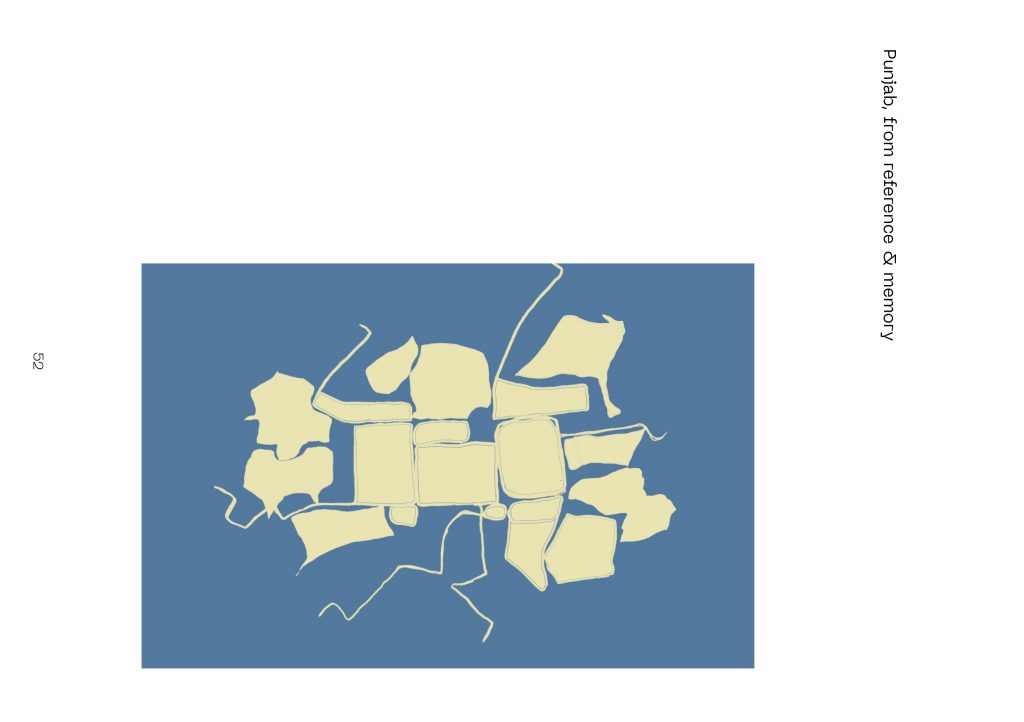
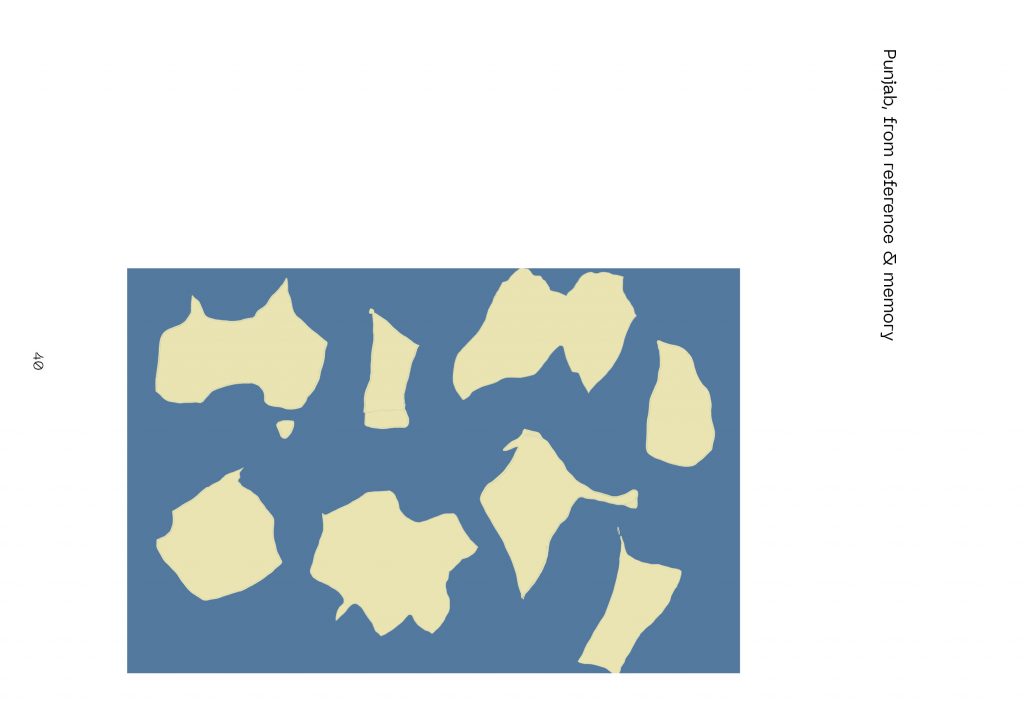
I also explored putting those places together, creating a new landmass from all of the places:
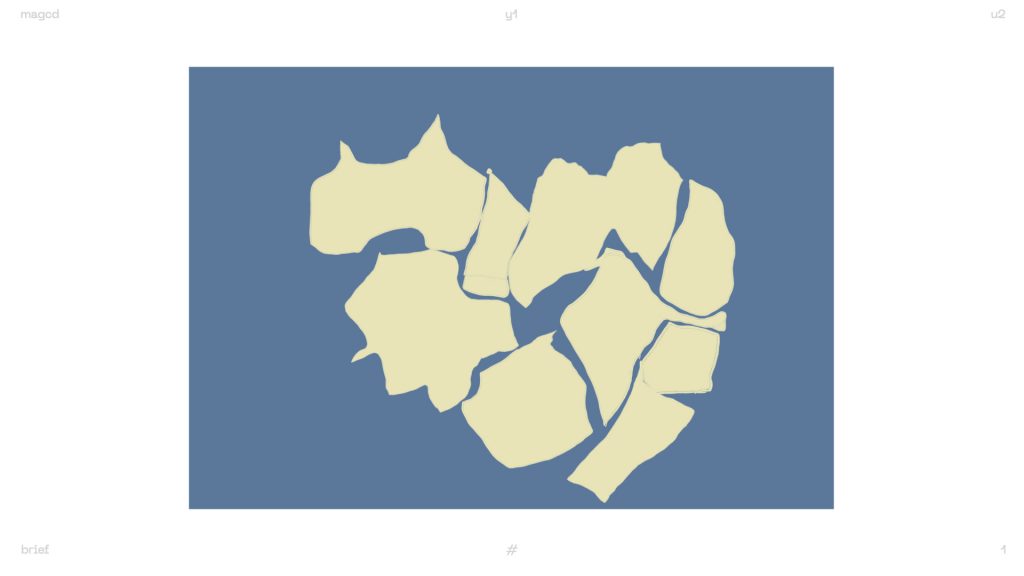
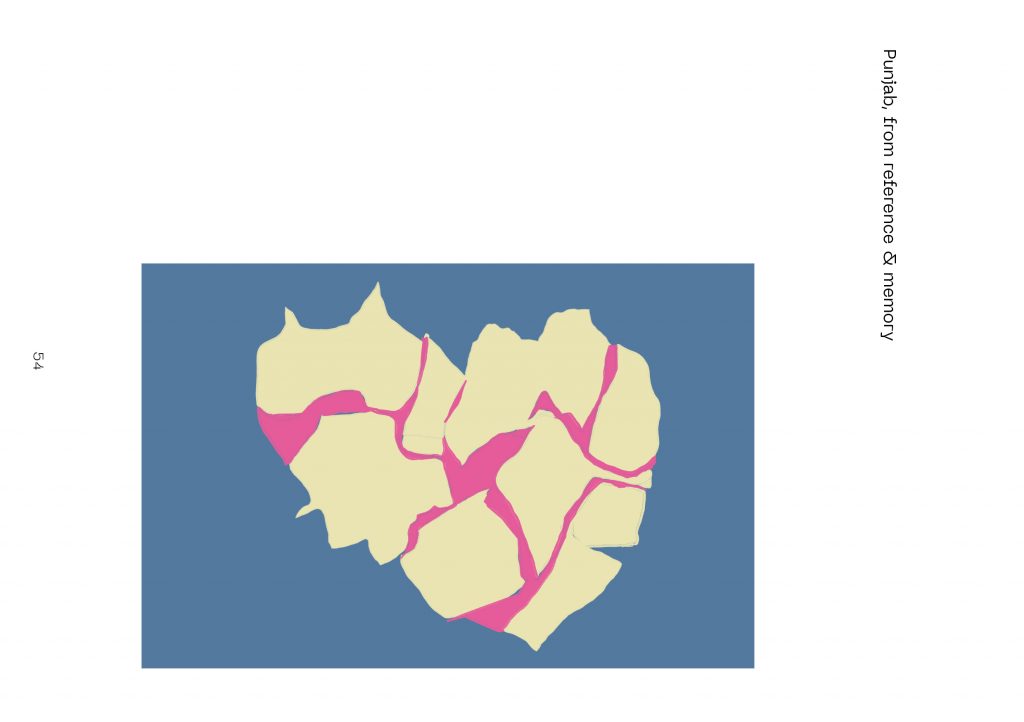
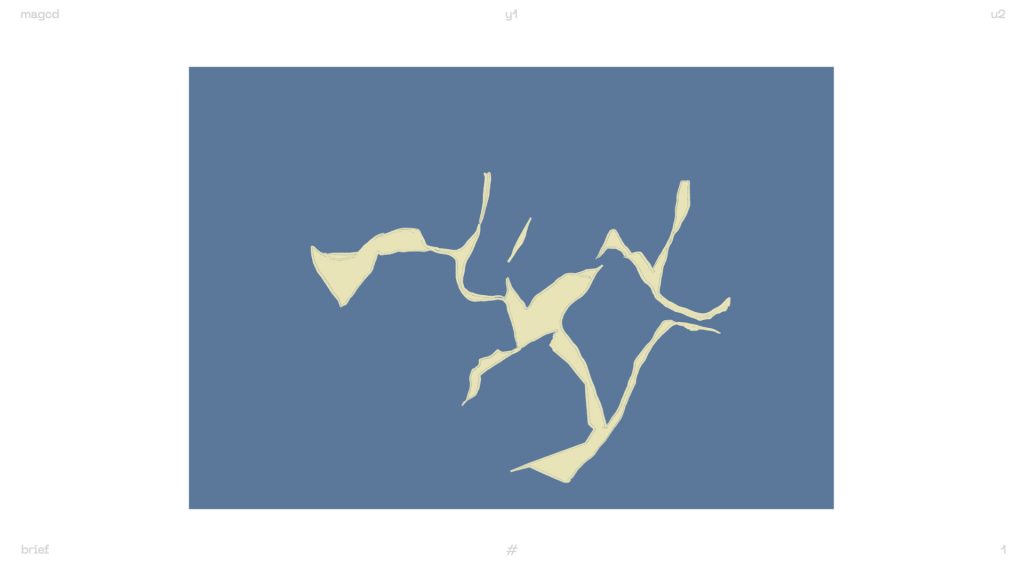
by extracting the spaces in between, I realised that my true home is comprised of the spaces between my homes.
this felt like the start of an exciting enquiry, so I parked this idea for now before I further interrogated it.
I wanted to pivot my iterations to other concepts I wanted to explore about home, identity and belonging, themes my iterations were organically leading me towards.
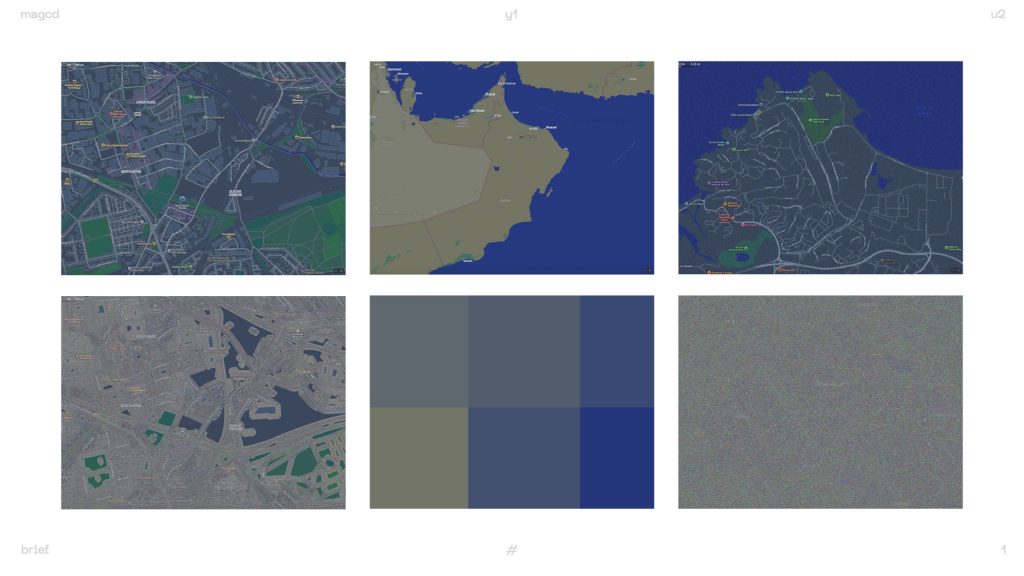
I played with graphic methods of distortion such as adding texture (noise/sharpening), pixelating, and changing colours.
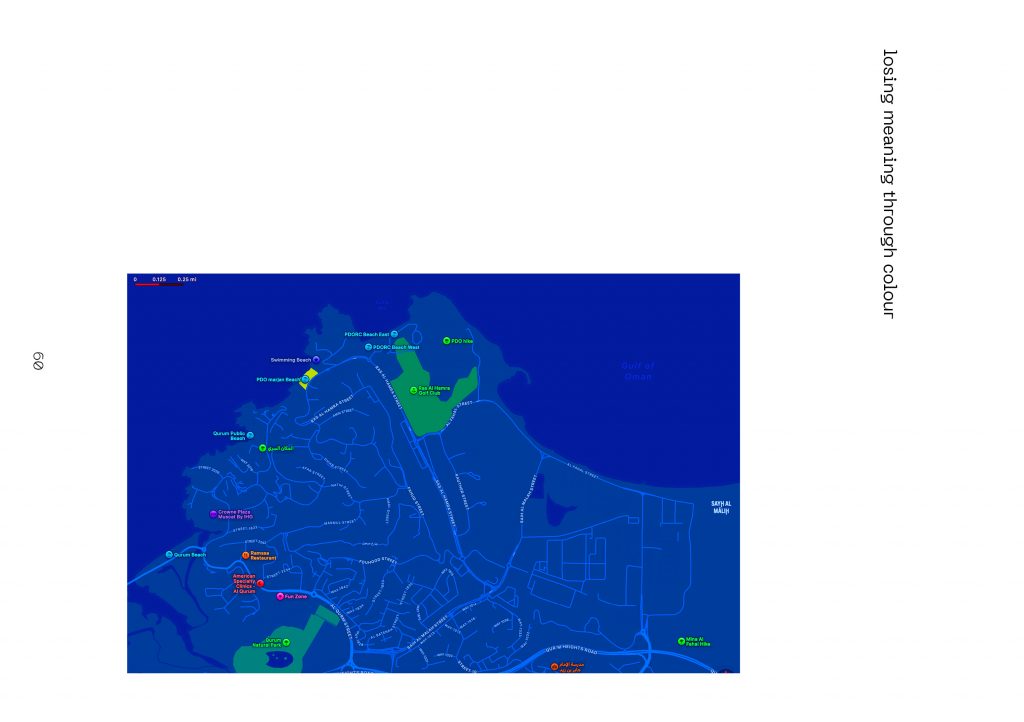
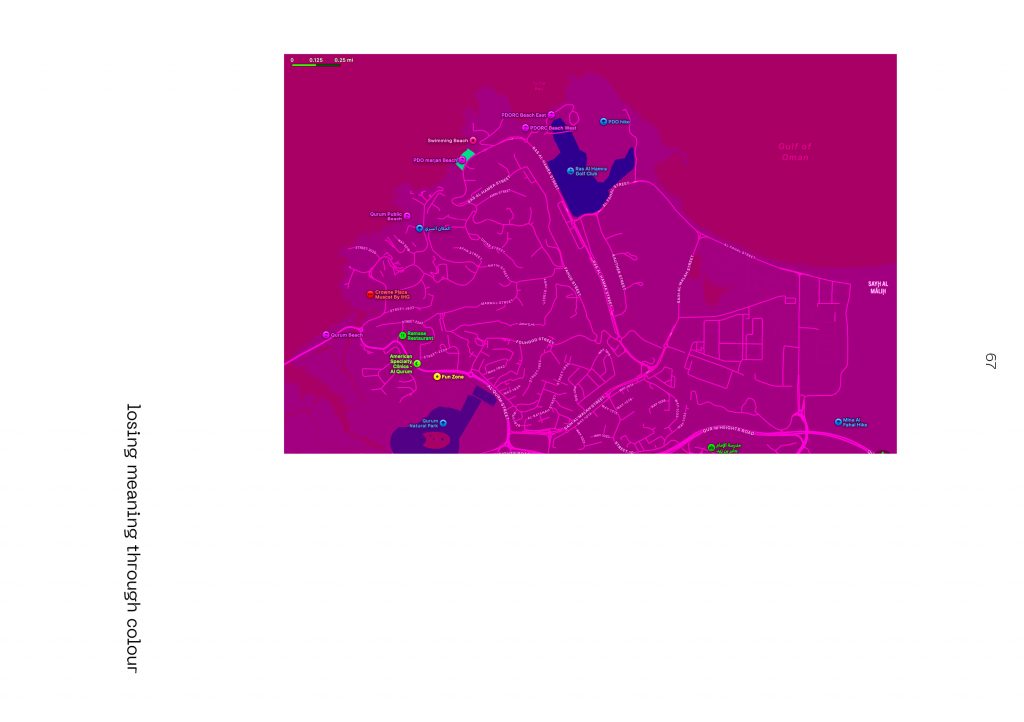
I realised that they started to represent visually that my own memory of homes I don’t live in anymore is a concept that daily fades in my mind. home is the details I remember, the memories I project onto the past, and that is not fully factual, detailed, or accurate.
because of this, I wanted to interrogate what AI thinks about these places. does it remember or accurately present them? does it pick up on personal experiences? does it alter them?
I turned to the most commonplace Ai provider for answers: chatgpt.
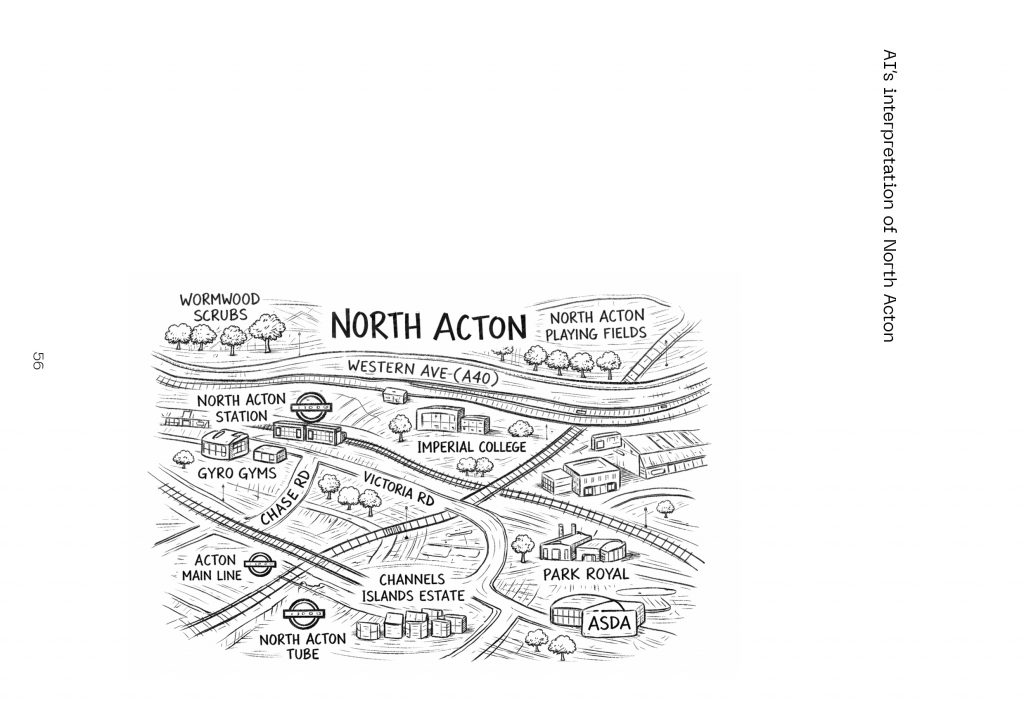
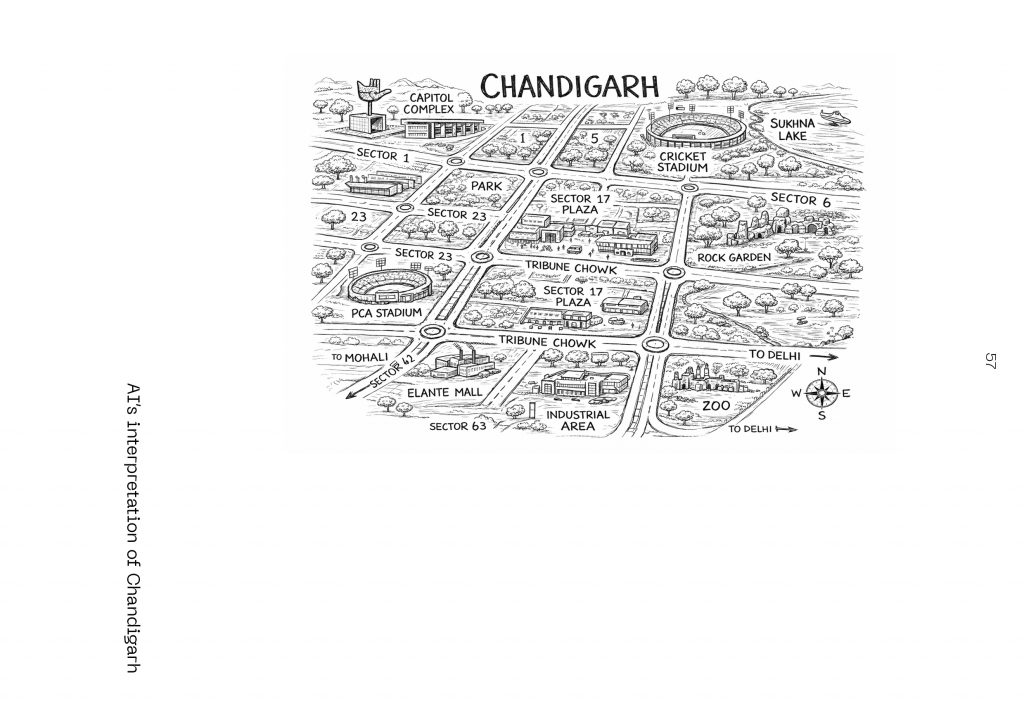
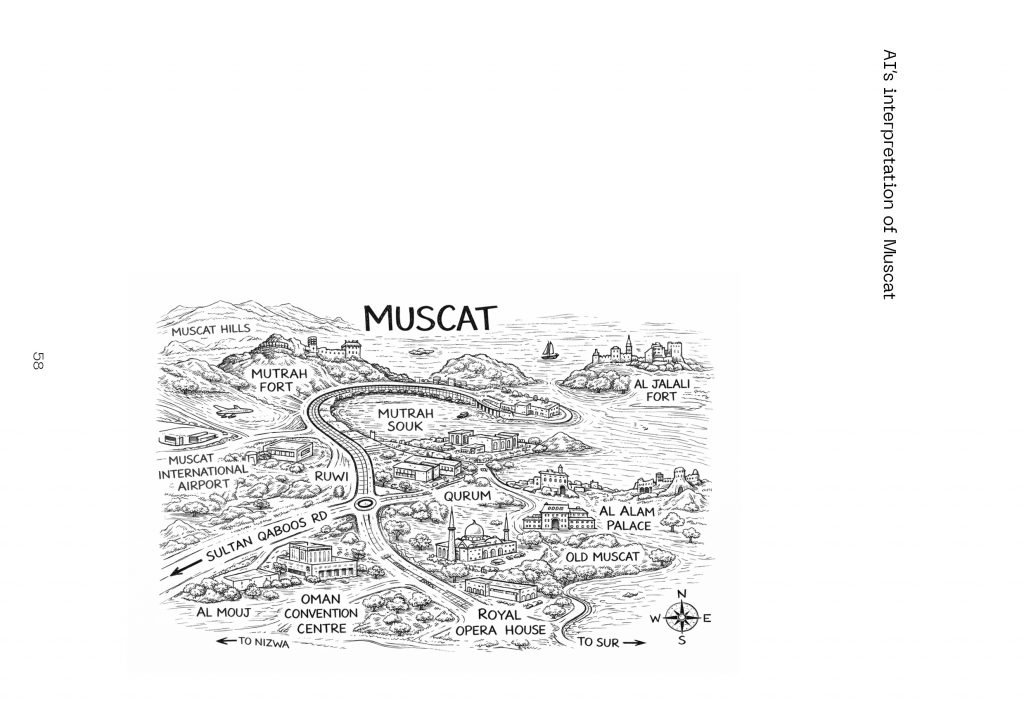
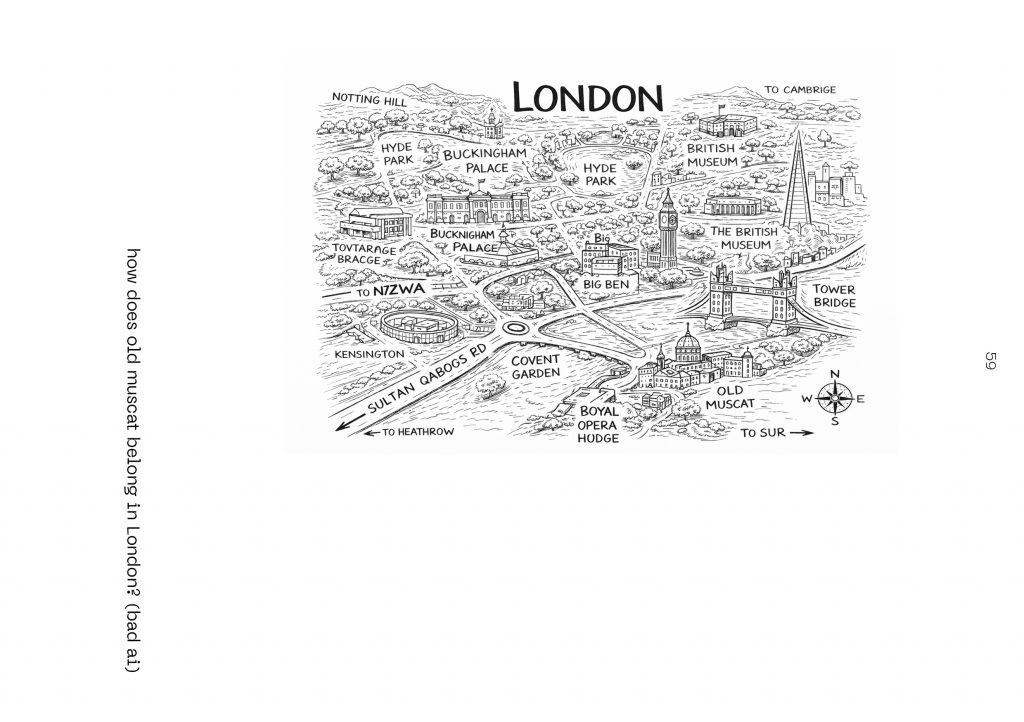
by seeing the illustrations it came up with, I realise that it was widely distorting the places, coming up with hybrid representations born out of misconceptions:
- North Acton doesn’t have separate “North Acton” tube and normal stations. asda and wormwood scrubs are in the wrong place.
- chandigarh: tribune chowk is a roundabout, not a street. sector 17 appears twice. Delhi isn’t as close as portrayed (it’s a 5-6 hour drive at least).
- muscat: qurum isn’t in the middle of old muscat and muttrah. muscat hills, the convention centre, and the airport are so far from the area portrayed, with the opera house being somewhere close to qurum in reality. and I was surprised they didn’t show the grand mosque, one of muscat’s most famous landmarks.
- London: clearly it’s created a weird hybrid city between muscat and London. and what is “tovtarage bracge”???????
(kids, don’t blindly trust ai!)
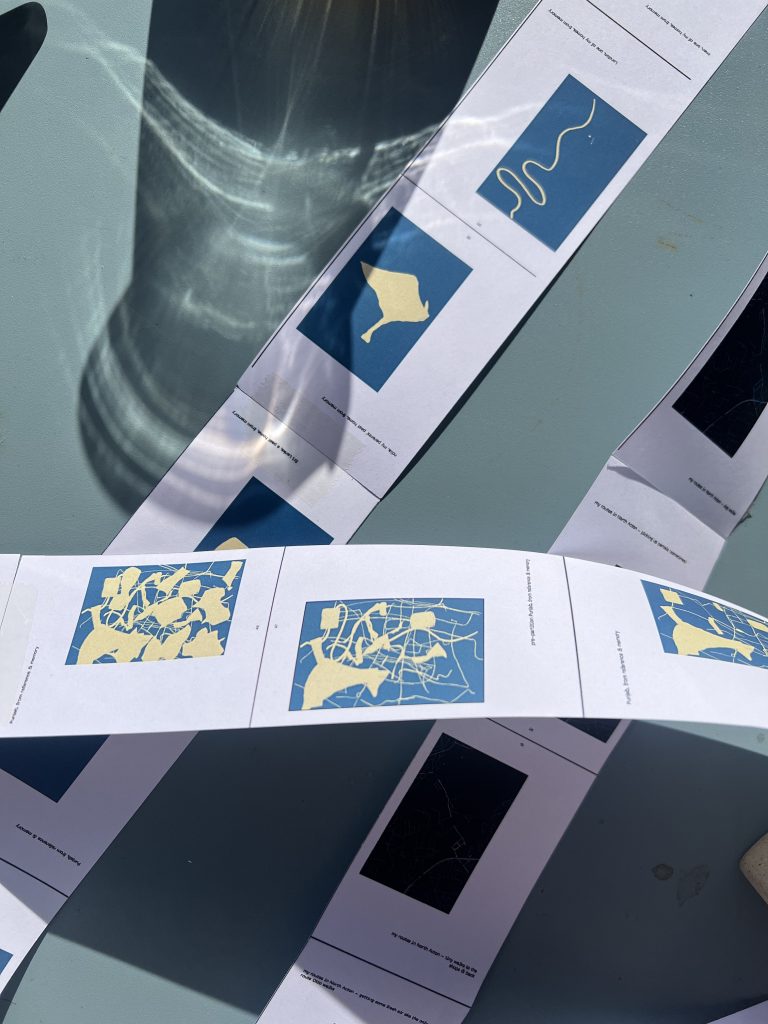
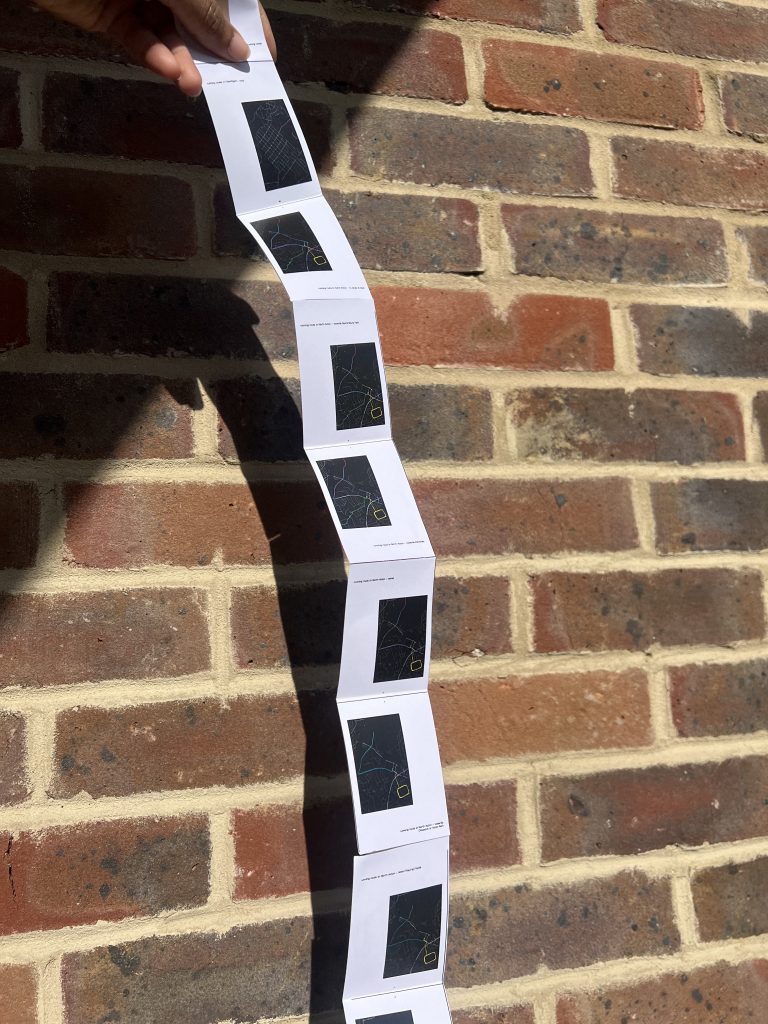
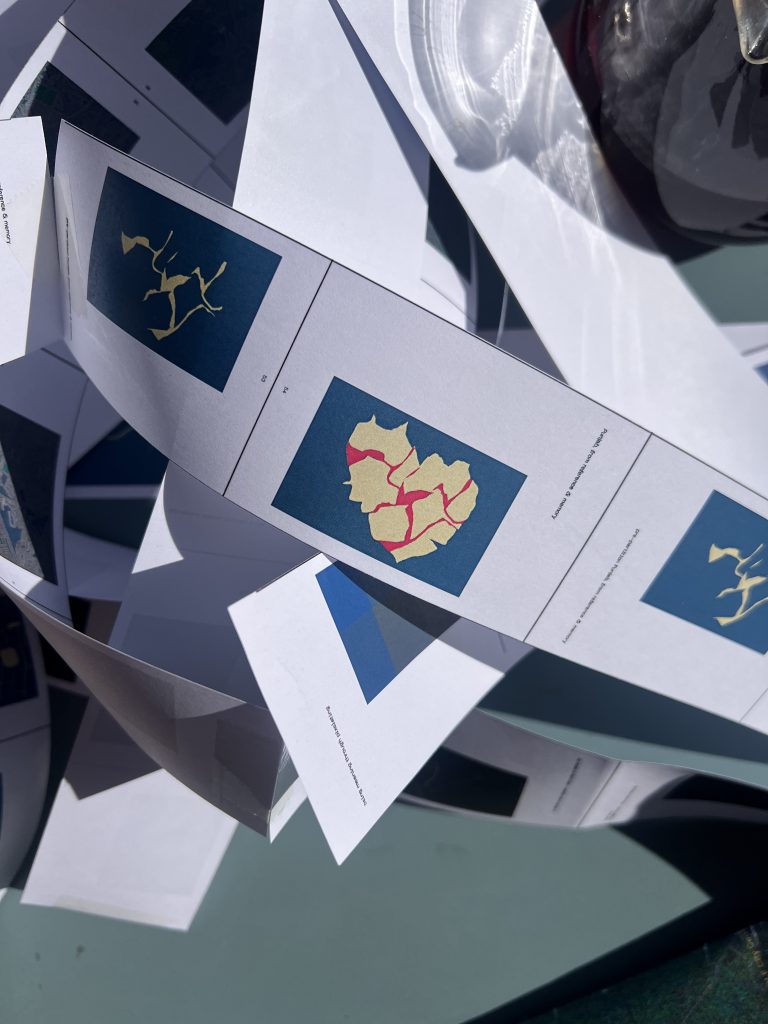
at the end of these 100 iterations, I decided to compile them into a long strip style publication, embodying a timeline of my life, forcing the viewer/reader to get entangled in as they unfold it. I initially wanted to have it as an accordion fold, also mimicking old photo books, but It was too thick to compile, and the beauty of the form of my publication lay in the form it took when it was in the viewers hands.
feedback:
Feedback:
Leave a Reply