a.k.a. becoming Cunk dunk.
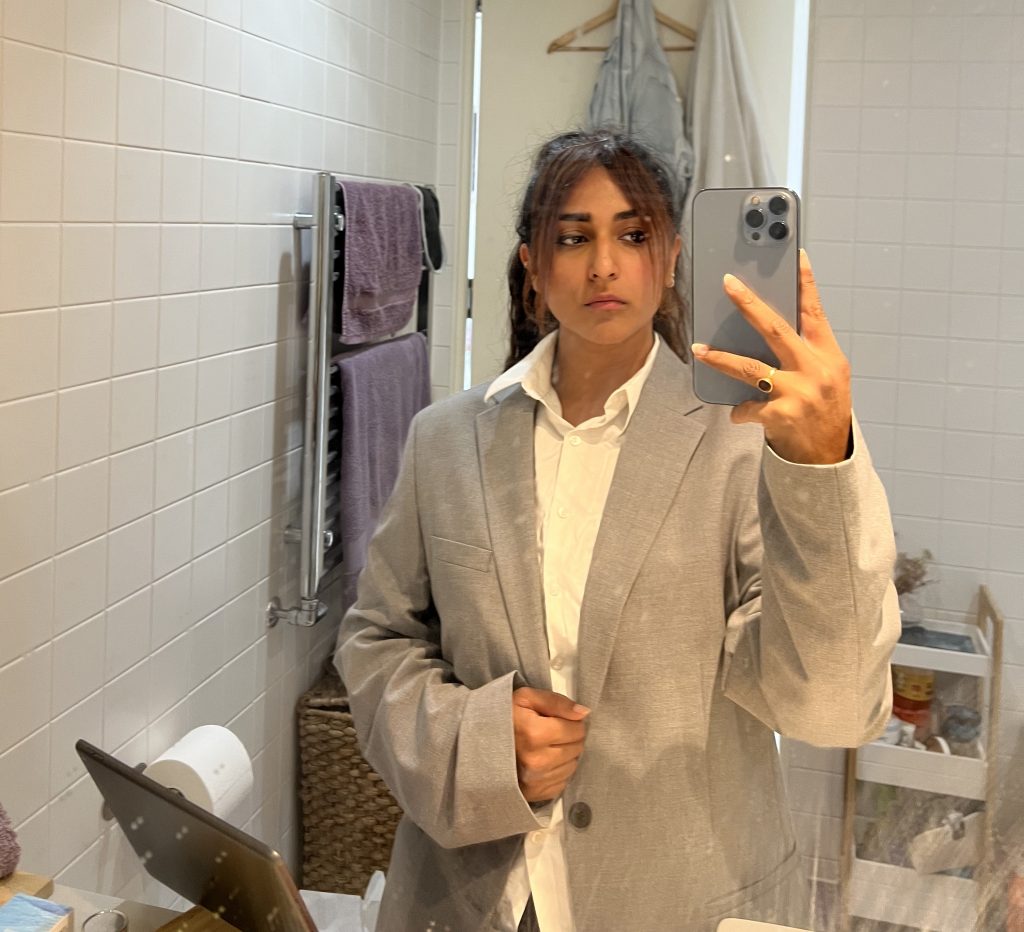
The wig didn’t arrive, the gloves didn’t arrive, and I was running out of time.
so I had to get over myself, change my concept a little, and make do with what I had.
I quickly searched a YouTube tutorial for how to turn long hair into bangs and it worked well enough! I began my transformation into Cunk dunk – positioning my wispy long hair into philomena’s choppy bangs. I wore her signature eyeliner, her pink lip, and adorned the grey blazer that gives her a journalistic authority.
but wait, why did I decide to parody Philomena Cunk, a parody herself?
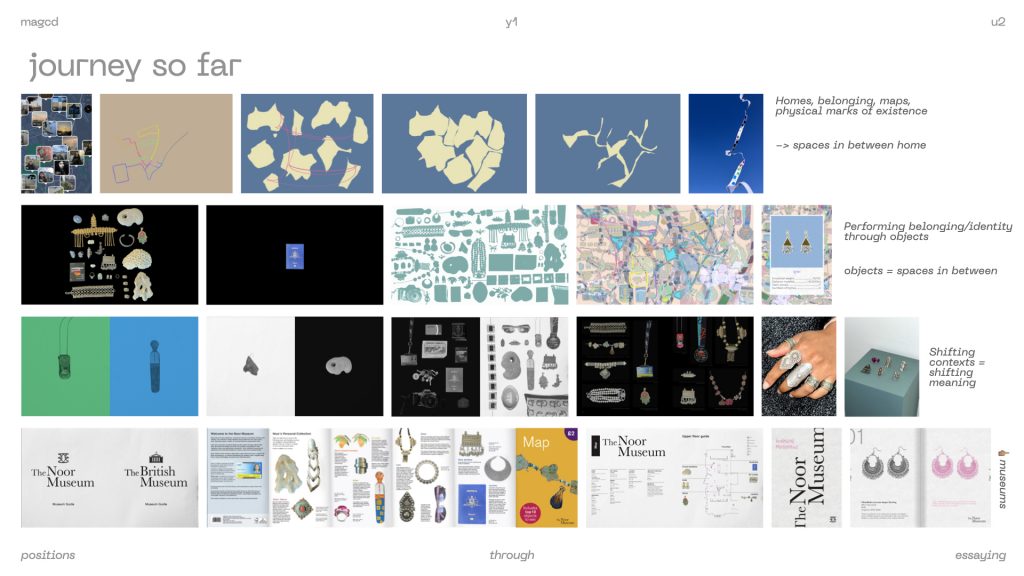
in order to develop the narrative for my video essay, it was important for my to understand my journey. I pivoted many times along the way; some of the concepts I explored were
- places
- psychogeography
- physical marks of being/existence
- homes and identity
- my pangaea
- representing home through objects
- objects and their role in performing identities
- my identity as perceived by western museum curators’ perspective
- interrogating museum language
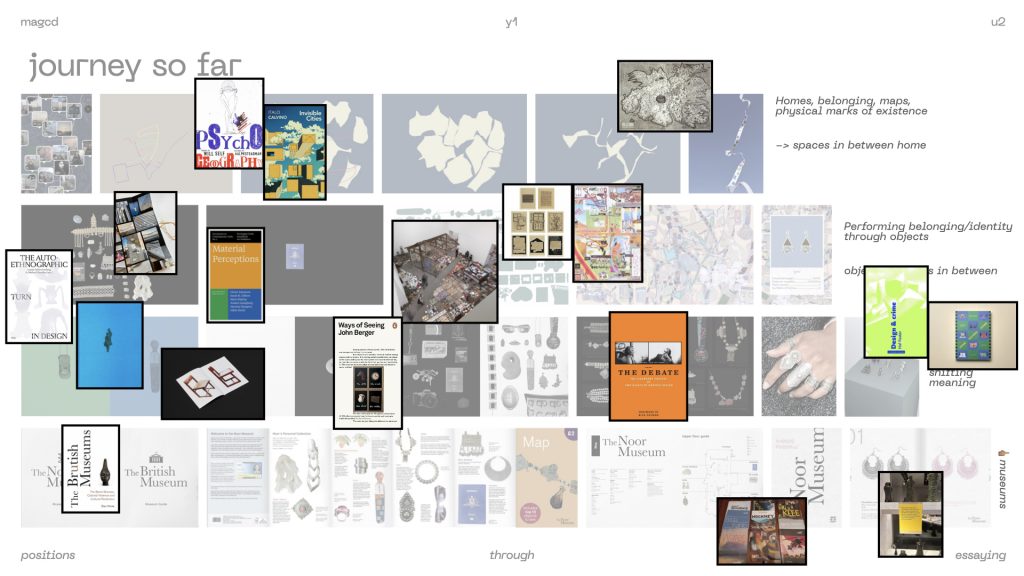
however, a pivotal part of my journey was the research, so I decided to include them as well.
This exercise helped me communicate the development of my ideas.
some texts felt relevant towards the end, however, had I not explored that path, I might not have ended up with my current lines of enquiry.
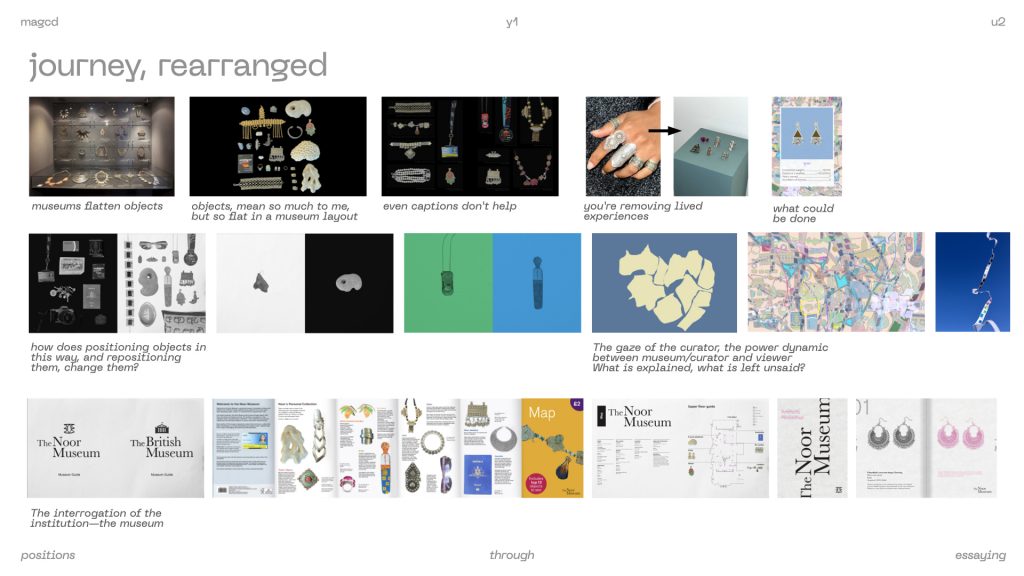
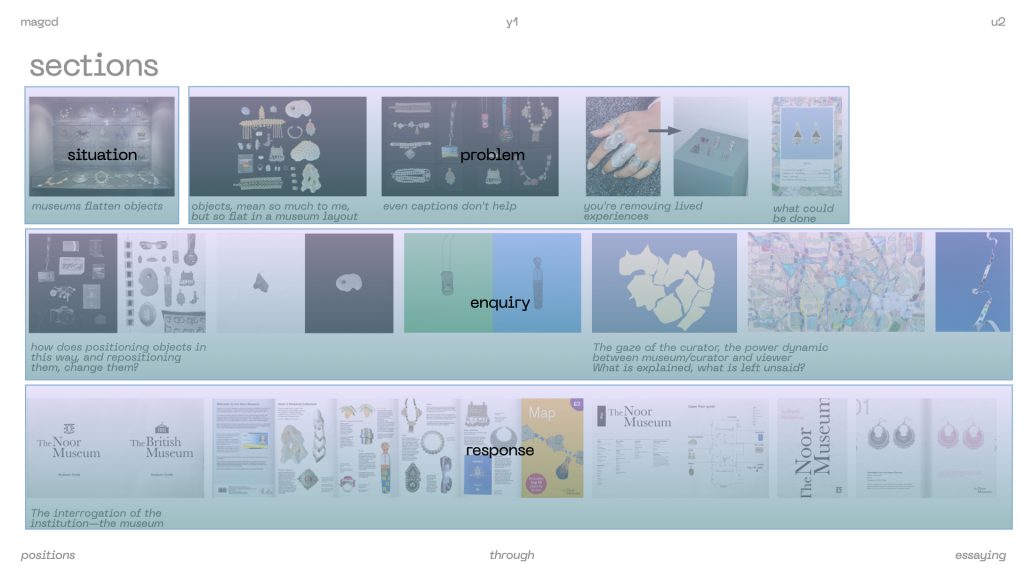
after piecing together the journey, I decided to pick out what sections felt like an important part of my overarching narrative. I divided these into sections which our academic support advisor, guy, suggested. this essentially follows the format set on our brief with enquiry, context, etc., but feels more like a clear story.
Another reference I found coincidentally was “Chandigarh furniture” which was part of the new collection in the csm library. though I was excited to learn more about the objects, I was disappointed that it was an image book that paired images of chairs on plain backgrounds that allowed the reader to form open-ended stories about the objects. a stream-of-consciousness style text is placed as an interlude in the middle of the book, seemingly written from le Corbusier’s POv (the city’s architect). it felt confusing and provided no clarity. but the abstraction was intriguing because I was given space to project my own understanding onto the objects, and by way of that, the city of Chandigarh.
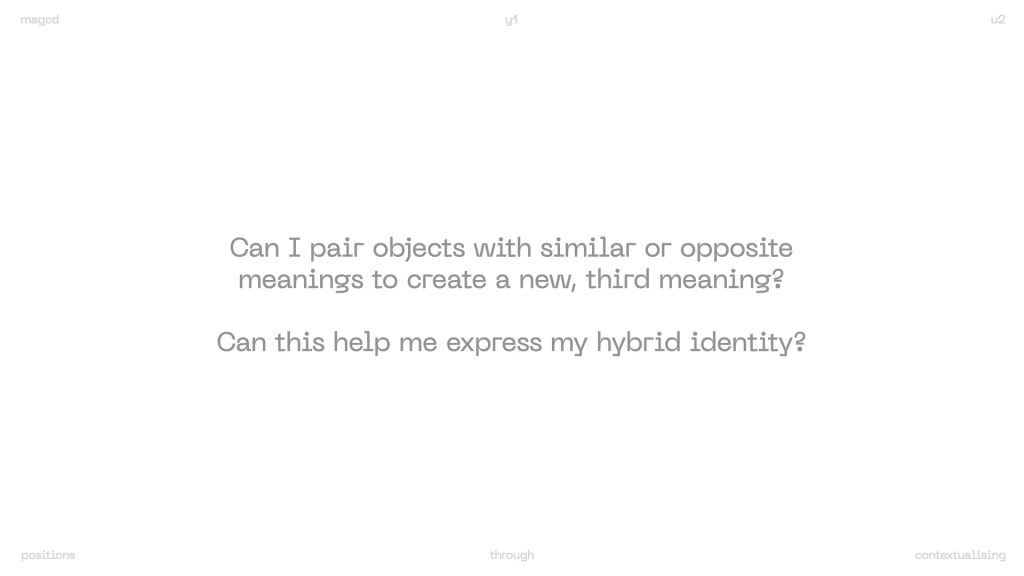
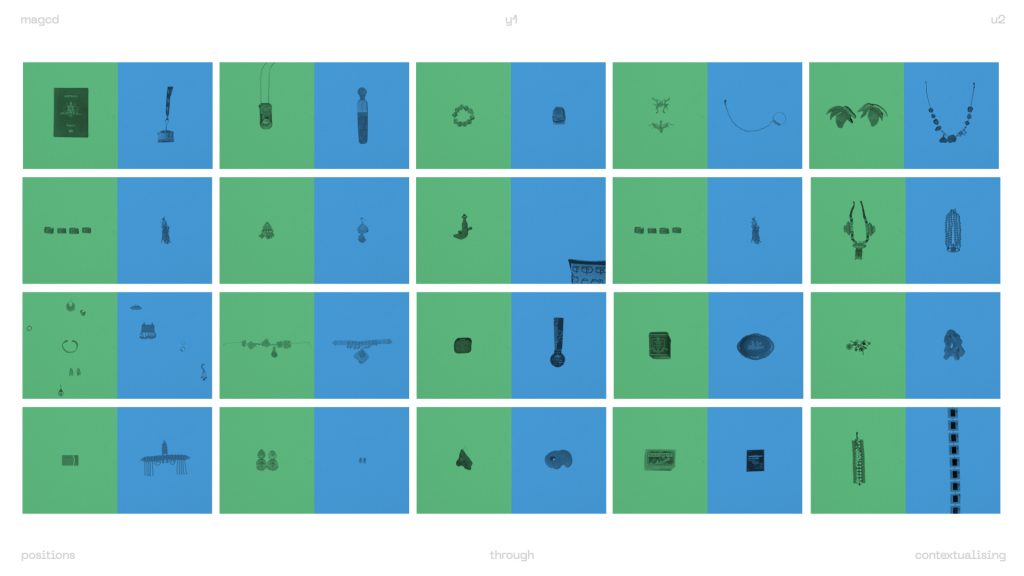
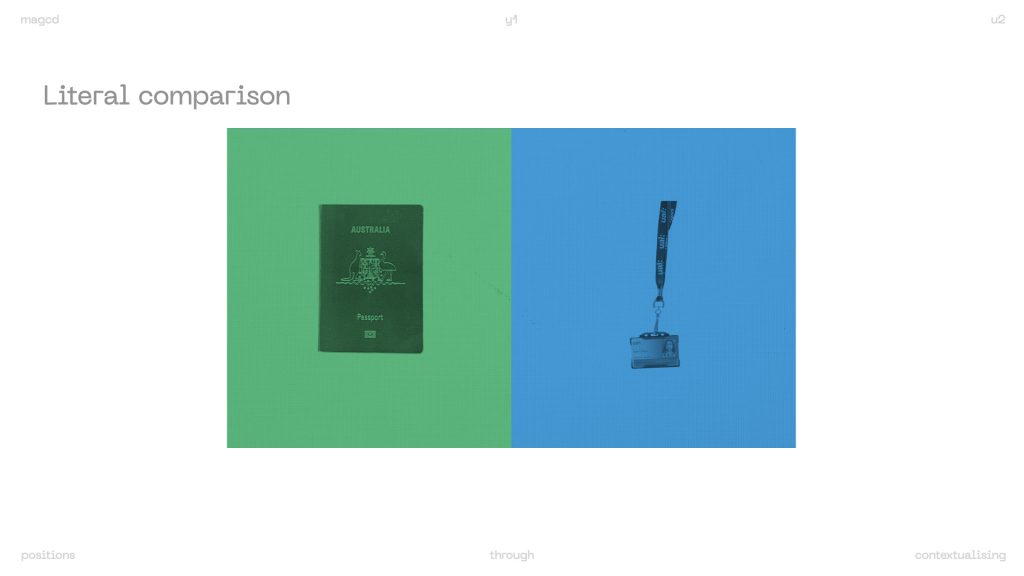
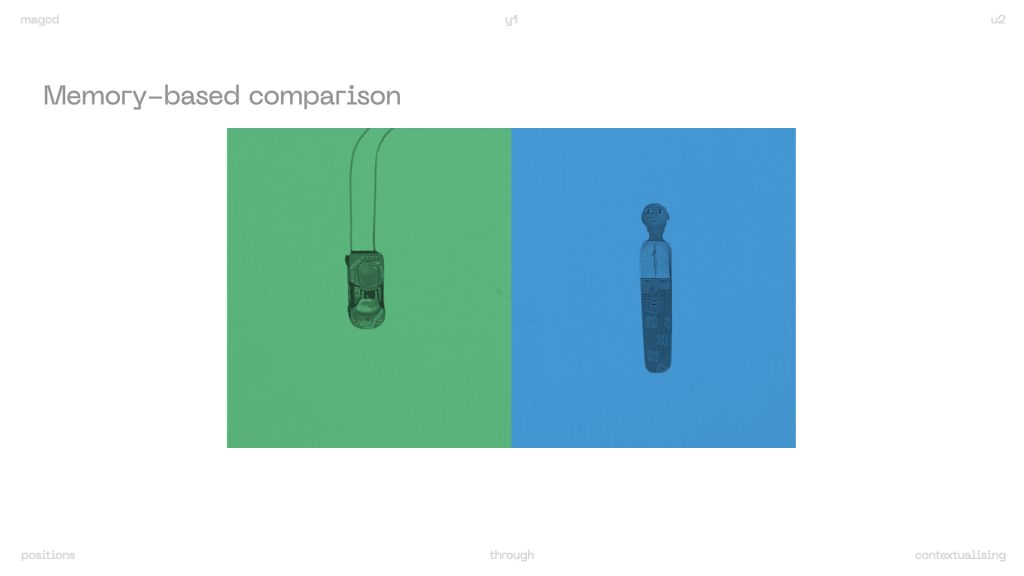
^initial guiding questions for my iterations. Kind of the parameters, but I knew I wanted to specifically subvert the visual style of the parallel encyclopaedia.
Leave a Reply